Maltitol is what you get when hydrogen is added across the carbonyl group of maltose, a sugar built from two glucose units. The chemistry is simple to describe; the industrial process is a carefully sequenced chain of enzymatic, separation and catalytic steps that decides whether the output is a clean, free-flowing crystal or a consistent syrup. Understanding those steps lets buyers ask sharper questions about purity, crystal form and the consistency of each batch.
From Starch to High-Maltose Syrup
The route starts with starch, most often from corn but also from wheat, tapioca or potato. In liquefaction, heat and an alpha-amylase enzyme thin the starch paste into shorter chains. Saccharification then uses enzymes such as glucoamylase or a maltose-forming amylase to convert those chains into sugars, with the goal of a syrup rich in maltose. The enzyme choice, dose, temperature, pH and time determine the sugar profile. A high maltose content is valuable because maltose is the precursor that becomes maltitol, so a more selective saccharification reduces the load of other sugars that would turn into different polyols.
Purification Before Hydrogenation
Raw hydrolysed syrup carries protein, colour bodies, salts and fine solids that would poison the catalyst or contaminate the final product. Producers clarify it by filtration and often treat it with activated carbon to remove colour, then pass it through ion-exchange resins to demineralise and further purify the stream. Some plants add a chromatographic separation step to raise the maltose fraction even higher. This is also where reducing sugars are brought under control, since an excess of them can darken the product and complicate the reaction downstream.
The Hydrogenation Reactor
In the core reaction, the purified syrup meets hydrogen gas in a pressurised reactor over a metal catalyst, commonly Raney nickel. Under controlled temperature and hydrogen pressure, the aldehyde group at the end of each maltose molecule is reduced to an alcohol, converting maltose into maltitol. Any glucose present becomes sorbitol, and larger saccharides become their corresponding polyols, so the final profile always reflects the incoming sugar spectrum. Reaction conditions are tuned for conversion and selectivity: enough severity to finish the job, but not so much that side products, colour or degradation compounds increase.
Catalyst Removal and Refining
After the reaction, the catalyst is filtered out and often recovered for reuse. Residual nickel is a key safety parameter, and food-grade maltitol is expected to sit well below the strict residue limits set by regulators. The liquor then passes through ion exchange and carbon treatment again to remove dissolved metals, salts and colour, followed by concentration under vacuum. Deodorising and polishing steps may follow to deliver a clean, neutral-tasting solution.
Crystallisation, Milling or Syrup
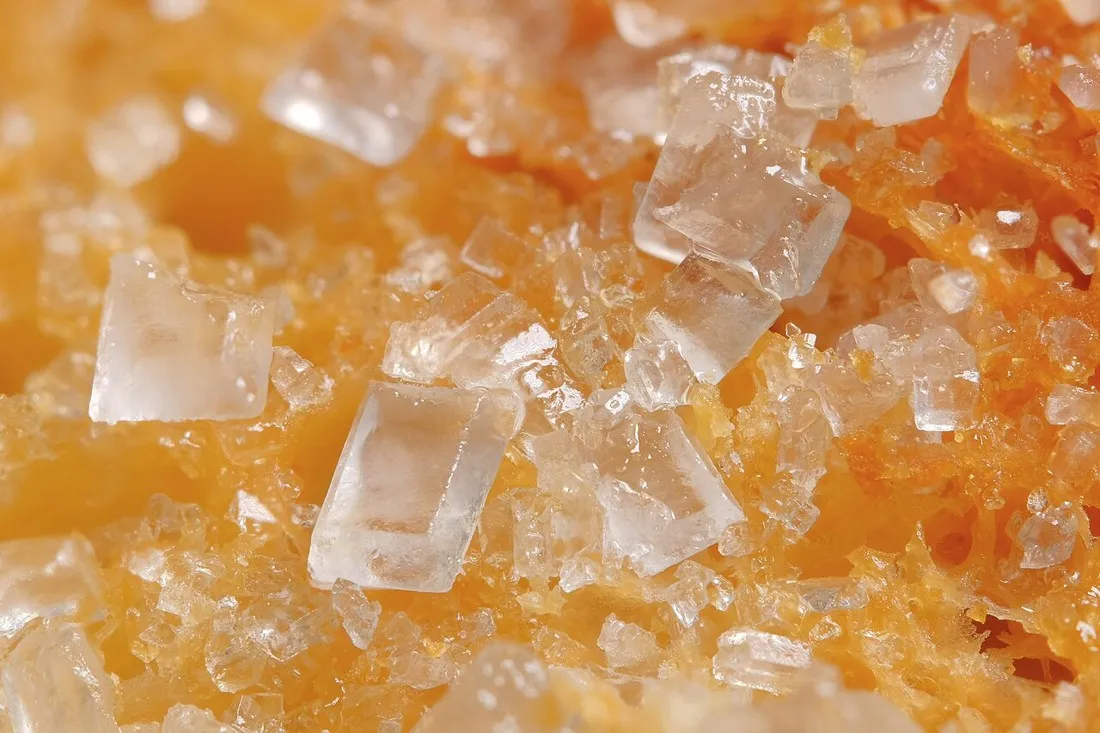
From the refined liquor, the process splits into two destinations. To make powder, the concentrated solution is crystallised under controlled cooling and seeding, then the crystals are separated by centrifuge, dried, milled and sieved to a target particle size. The crystallisation conditions also influence which polymorph forms, and the stable beta crystal is the grade most often specified for chocolate and coatings. To make syrup, the refined liquor is simply adjusted to the required solids, typically around 75 percent or more, and filled hot into drums or totes. Both streams are packed under controlled humidity so that moisture does not compromise quality.
What Buyers Should Verify
The certificate of analysis is the entry point, not the whole story. For powder, confirm maltitol content, water, reducing sugars, pH, ash, heavy metals and nickel residue, plus the crystal form and particle-size distribution. For syrup, confirm the solids range alongside the same chemical limits, and check how solids are measured. It is also worth asking whether the product is made in-house or toll-processed, and how the producer handles lots that fall slightly outside specification. A traceable batch record, retained samples and consistent certificates turn a good conversation into a reliable supply arrangement.
Frequently Asked Questions
What raw material is maltitol made from?
It is made from starch, usually corn starch but also wheat, tapioca or potato, which is hydrolysed to a maltose-rich syrup before hydrogenation.
Why is a catalyst needed?
A metal catalyst such as Raney nickel speeds the addition of hydrogen to maltose. It is filtered out afterwards, and the residual nickel level is tightly controlled in the finished product.
Why does the sugar profile matter?
Because hydrogenation converts whatever sugars are present. More maltose gives more maltitol, while glucose becomes sorbitol, so a selective saccharification is central to a clean final profile.
How is powder made from the same process?
The refined liquor can either be concentrated into syrup or crystallised, centrifuged, dried and milled into powder, with crystallisation conditions influencing the crystal form.
💬 Join the conversation! What do you think about this topic? Leave a comment below — we read and reply to every message.
⬇️📋 Multilingual reply templates — copy & paste
Replace [country] and [topic] before posting.
- EnglishGreat post! We are a buyer from [country] interested in [topic]. Could you share pricing and MOQ details? Thank you!
- Spanish¡Gran artículo! Somos compradores de [país] interesados en [tema]. ¿Podrían compartir precios y cantidades mínimas? ¡Gracias!
- GermanToller Beitrag! Wir sind Käufer aus [Land] und interessieren uns für [Thema]. Könnten Sie Preise und Mindestbestellmengen mitteilen? Vielen Dank!
- FrenchExcellent article ! Nous sommes acheteurs de [pays] intéressés par [sujet]. Pourriez-vous partager les prix et les quantités minimales ? Merci !
- PortugueseÓtimo artigo! Somos compradores de [país] interessados em [tema]. Poderiam informar preços e quantidades mínimas? Obrigado!
- DutchMooi artikel! Wij zijn kopers uit [land] en geïnteresseerd in [onderwerp]. Kunt u prijzen en minimale afnamehoeveelheden delen? Bedankt!
- PolishŚwietny artykuł! Jesteśmy kupcami z [kraj] zainteresowanymi tematem [temat]. Czy moglibyście podać ceny i minimalne ilości? Dziękujemy!
- RussianОтличная статья! Мы покупатели из [страна], заинтересованы в [тема]. Могли бы вы сообщить цены и минимальный объём заказа? Спасибо!
- Japanese素晴らしい記事です![国] のバイヤーです。[トピック] に興味があります。価格と最小発注量を教えていただけますか?ありがとうございます!
- Korean좋은 글입니다! [국가]에서 온 구매자입니다. [주제]에 관심이 있습니다. 가격과 최소 주문 수량을 알려주시겠어요? 감사합니다!
- Thaiบทความดีมาก! เราคือผู้ซื้อจาก [ประเทศ] สนใจ [หัวข้อ] ช่วยแจ้งราคาและจำนวนสั่งซื้อขั้นต่ำได้ไหม ขอบคุณครับ!
- Hebrewפוסט מעולה! אנו קונים מ-[מדינה] ומתעניינים ב-[נושא]. תוכלו לשתף מחירים וכמויות מינימום? תודה!
- VietnameseBài viết hay! Chúng tôi là người mua từ [quốc gia] quan tâm đến [chủ đề]. Bạn có thể chia sẻ giá và số lượng tối thiểu không? Cảm ơn!
- IndonesianArtikel yang bagus! Kami pembeli dari [negara] tertarik pada [topik]. Bisakah Anda berbagi harga dan jumlah minimum? Terima kasih!
- Arabicمقال رائع! نحن مشترون من [الدولة] مهتمون بـ [الموضوع]. هل يمكنكم مشاركة الأسعار والحد الأدنى للكمية؟ شكرًا!
- KazakhКеремет мақала! Біз [ел] сатып алушыларымыз, [тақырып] қызықтырады. Баға мен ең аз тапсырыс көлемін айта аласыз ба? Рахмет!