For decades the potato chip owned the salty-snack aisle almost by default. That is changing at the edges, and pork-skin snacks such as chicharon are one of the clearest beneficiaries. The comparison between the two is often framed as a taste contest, but for buyers and brand owners the more useful lens is structural: the two snacks occupy different nutrition territories, different cost profiles and different supply chains, and each is winning a distinct kind of shopper.
A Nutrition Story That Is Genuinely Different
The headline difference is macronutrient balance. Chicharon is essentially dried, puffed pork skin, so it is dominated by protein and fat with very little carbohydrate. Potato chips are built on a starchy base and are correspondingly carbohydrate-heavy. For shoppers following low-carb, keto-style or high-protein diets, that gap is the entire reason to switch — and it is a claim potato chips cannot easily match.
Pork rinds are also naturally gluten-free, which broadens their appeal to coeliac and gluten-avoiding consumers without any reformulation. Potato chips can be gluten-free too, but the pork snack carries the benefit by default rather than by special recipe design.
Texture and Eating Experience
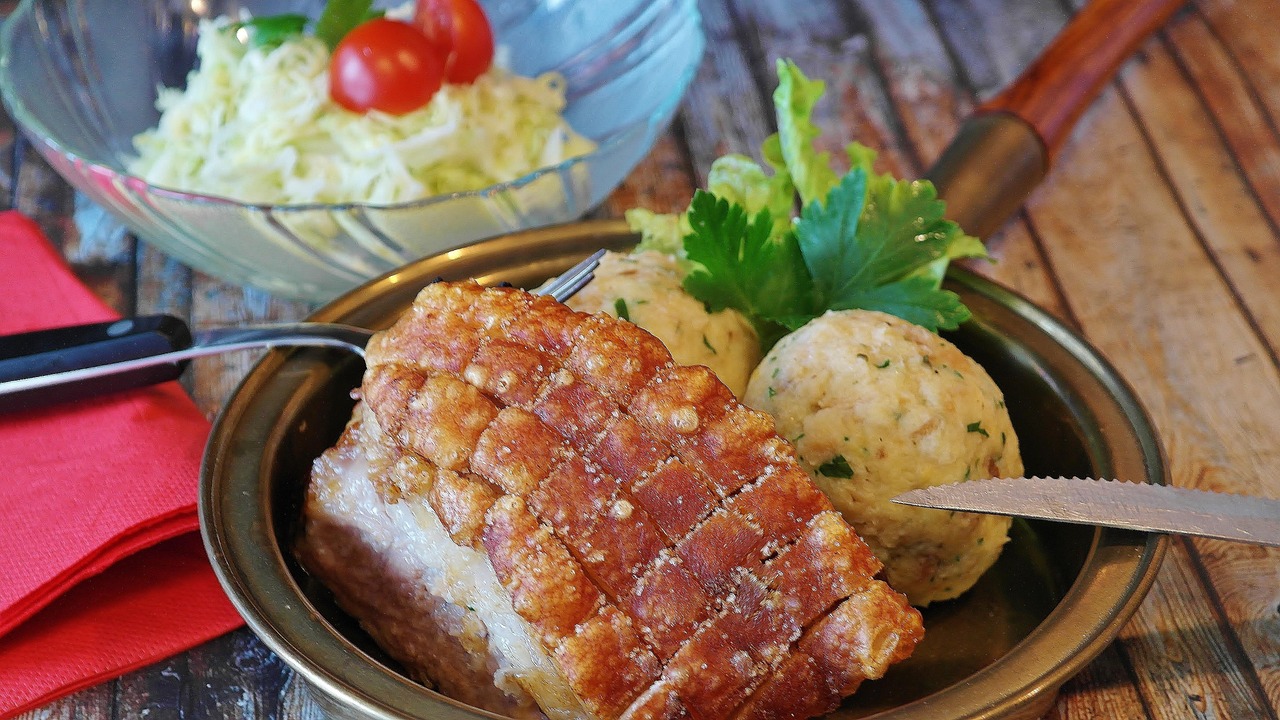
Chips deliver a thin, uniform shatter. Chicharon delivers a lighter, airier puff with a more pronounced crunch and a savoury, roasted note. The two are not interchangeable on the palate, which matters for menu and shelf positioning. A pork-skin snack reads as a more substantial, adult snack; a chip reads as a familiar everyday one. Brands that treat chicharon as a direct drop-in replacement for chips usually miss this distinction and under-sell the product.
| Attribute | Chicharon | Potato chips |
|---|---|---|
| Dominant macros | Protein and fat | Carbohydrate and fat |
| Base material | Pork skin | Potato |
| Gluten | Naturally free of gluten | Often free, depends on recipe |
| Texture | Light, airy puff | Thin, uniform shatter |
| Flavour platform | Savoury, roasted base | Neutral, starchy base |
| Origin of cost pressure | Skin and oil supply | Potato crop and oil |
Why the Pork Snack Category Is Growing
Three forces are pushing the category forward. First, protein-forward snacking has moved from a niche gym audience into mainstream grocery. Second, the spread of low-carb and keto eating has created a permanent, if modest, base of repeat buyers. Third, pork-skin snacks have a strong cultural following in Latin American and Asian communities that is now reaching a wider audience through export and diaspora channels.
The result is a snack that is no longer confined to a regional or novelty shelf. It increasingly sits alongside mainstream savoury snacks, and in some markets commands a premium because of its protein story.
Cost and Supply Realities Compared
Potato chips sit on a deep, highly industrialised agricultural base with enormous processing capacity, so their supply is generally stable and their unit costs low. Chicharon depends on pork-skin supply, frying-oil prices and energy — variables that move with the meat and oils markets and can be more volatile. That does not make pork snacks expensive by definition, but it means landed cost is more sensitive to input swings, and buyers should track those drivers rather than react to each quotation in isolation.
Shelf Life and Logistics
Both snacks are ambient-stable, but chicharon is more vulnerable to moisture pickup after opening because of its porous structure. Barrier film, tight sealing and, where appropriate, nitrogen flushing matter more for pork rinds than for a denser chip. Warehouses should be cool and dry, and pallets should be stacked to protect the product from crushing, which can shatter the delicate puff.
Where the Opportunity Sits
The two snacks do not have to compete head-on. Chicharon wins where protein, low carbohydrate content and a distinctive crunch are the shopper’s priority. Potato chips win on familiarity, price and breadth of flavour. For a brand, the smart move is usually to range both and let each do its own job — using chicharon to reach a higher-intent, higher-value snacker who is actively looking for something a chip cannot provide.
Frequently Asked Questions
Are pork rinds healthier than potato chips?
They are different rather than simply better. Chicharon is higher in protein and much lower in carbohydrate, but like most fried snacks it is high in fat and sodium. The healthier choice depends on the eater’s overall diet and goals.
Are chicharon gluten-free?
Pork skin is naturally gluten-free, so the base snack usually qualifies. However, seasoning blends and shared production lines can introduce gluten, so a gluten-free claim should be verified with the supplier.
Why is chicharon often more expensive per kilo than chips?
Pork-skin supply is smaller and more variable than the potato crop, and the puffing process is energy-intensive. These factors, plus lower production scale, commonly push the unit cost above that of mainstream chips.
Do pork snacks appeal outside low-carb diets?
Yes. The savoury flavour, distinct crunch and cultural familiarity draw a broad audience, particularly in markets with established pork-skin traditions and among shoppers seeking a premium adult snack.
💬 Join the conversation! What do you think about this topic? Leave a comment below — we read and reply to every message.
⬇️📋 Multilingual reply templates — copy & paste
Replace [country] and [topic] before posting.
- EnglishGreat post! We are a buyer from [country] interested in [topic]. Could you share pricing and MOQ details? Thank you!
- Spanish¡Gran artículo! Somos compradores de [país] interesados en [tema]. ¿Podrían compartir precios y cantidades mínimas? ¡Gracias!
- GermanToller Beitrag! Wir sind Käufer aus [Land] und interessieren uns für [Thema]. Könnten Sie Preise und Mindestbestellmengen mitteilen? Vielen Dank!
- FrenchExcellent article ! Nous sommes acheteurs de [pays] intéressés par [sujet]. Pourriez-vous partager les prix et les quantités minimales ? Merci !
- PortugueseÓtimo artigo! Somos compradores de [país] interessados em [tema]. Poderiam informar preços e quantidades mínimas? Obrigado!
- DutchMooi artikel! Wij zijn kopers uit [land] en geïnteresseerd in [onderwerp]. Kunt u prijzen en minimale afnamehoeveelheden delen? Bedankt!
- PolishŚwietny artykuł! Jesteśmy kupcami z [kraj] zainteresowanymi tematem [temat]. Czy moglibyście podać ceny i minimalne ilości? Dziękujemy!
- RussianОтличная статья! Мы покупатели из [страна], заинтересованы в [тема]. Могли бы вы сообщить цены и минимальный объём заказа? Спасибо!
- Japanese素晴らしい記事です![国] のバイヤーです。[トピック] に興味があります。価格と最小発注量を教えていただけますか?ありがとうございます!
- Korean좋은 글입니다! [국가]에서 온 구매자입니다. [주제]에 관심이 있습니다. 가격과 최소 주문 수량을 알려주시겠어요? 감사합니다!
- Thaiบทความดีมาก! เราคือผู้ซื้อจาก [ประเทศ] สนใจ [หัวข้อ] ช่วยแจ้งราคาและจำนวนสั่งซื้อขั้นต่ำได้ไหม ขอบคุณครับ!
- Hebrewפוסט מעולה! אנו קונים מ-[מדינה] ומתעניינים ב-[נושא]. תוכלו לשתף מחירים וכמויות מינימום? תודה!
- VietnameseBài viết hay! Chúng tôi là người mua từ [quốc gia] quan tâm đến [chủ đề]. Bạn có thể chia sẻ giá và số lượng tối thiểu không? Cảm ơn!
- IndonesianArtikel yang bagus! Kami pembeli dari [negara] tertarik pada [topik]. Bisakah Anda berbagi harga dan jumlah minimum? Terima kasih!
- Arabicمقال رائع! نحن مشترون من [الدولة] مهتمون بـ [الموضوع]. هل يمكنكم مشاركة الأسعار والحد الأدنى للكمية؟ شكرًا!
- KazakhКеремет мақала! Біз [ел] сатып алушыларымыз, [тақырып] қызықтырады. Баға мен ең аз тапсырыс көлемін айта аласыз ба? Рахмет!