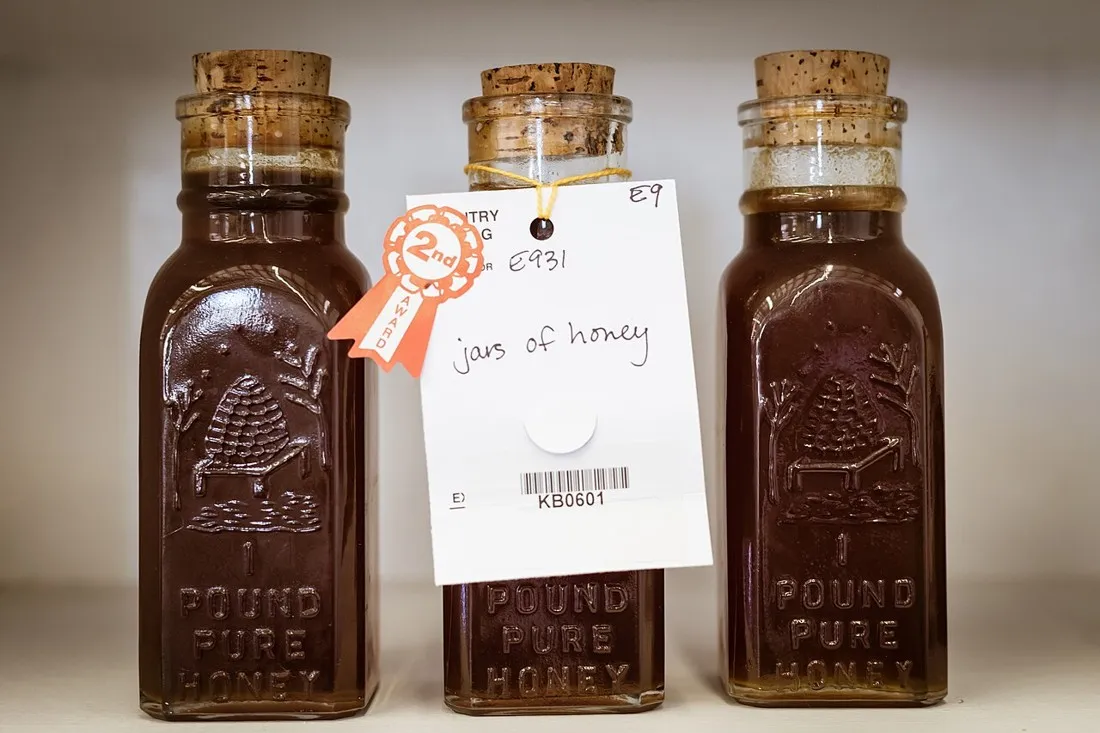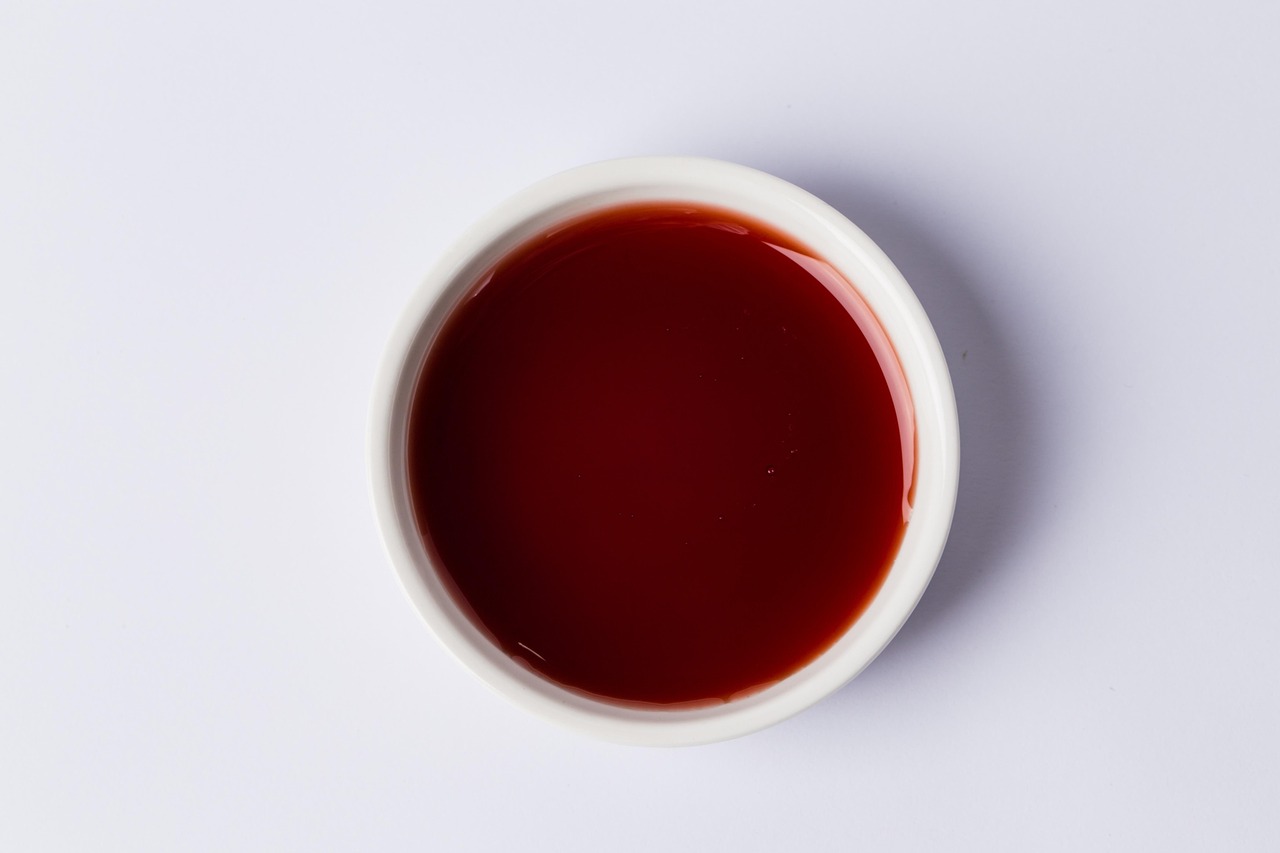
Maltose syrup and high fructose corn syrup are both clear, viscous sweeteners made from starch, which is exactly why they are so often confused. Functionally they are close to opposites: one is a glucose-and-maltose workhorse valued for body and crystallisation control, the other is a fructose-driven sweetener chosen for sweetness intensity and cost. Matching the wrong one to a formulation shows up quickly in texture, freezing behaviour and browning.
Composition drives everything else
Maltose syrup is produced by hydrolysing starch to a controlled mix of maltose, glucose and higher saccharides, with a dextrose equivalent commonly in the 35–50 band and essentially no fructose. High fructose corn syrup is a different product altogether: it is glucose and fructose in a roughly balanced blend, with the common high-fructose grade carrying somewhat more fructose than glucose and the lower grade the reverse. That single difference — fructose versus maltose — cascades through sweetness, moisture behaviour and reactivity.
Functional differences at a glance
| Property | Maltose syrup | High fructose corn syrup |
|---|---|---|
| Dominant sugars | Maltose and glucose | Fructose and glucose |
| Relative sweetness | Roughly 0.4–0.6 of sucrose | Roughly equal to or above sucrose |
| Body and viscosity | High | Lower |
| Hygroscopicity | Moderate | High |
| Freezing-point depression | Lower | Higher |
| Browning under heat | Moderate | Pronounced |
| Crystallisation control | Strong | Strong, by a different route |
Sweetness and how to dose
The sweetness gap is large enough that a one-for-one swap is never right. Because maltose syrup is only mildly sweet, formulators use it mainly for bulk and body and adjust the sweetener separately. High fructose corn syrup, being sweeter, is usually dosed to hit a sweetness target and can reduce total sweetener solids. Treat sweetness and bulk as separate levers or you will overshoot one while chasing the other.
Cold-chain and freezing behaviour
Fructose depresses the freezing point more effectively than maltose, which is one reason high fructose corn syrup appears in frozen desserts and beverages where a softer scoop or a lower freeze point is wanted. Maltose syrup, with its lower freezing-point depression and higher viscosity, suits fillings and glazes that must stay firm and cohesive in the chiller rather than becoming soft or icy.
Browning, colour and flavour development
Both syrups contain reducing sugars, so both participate in Maillard browning, but fructose reacts readily and can push colour development faster. In a baked good where a deep crust colour is wanted, that is an advantage; in a pale, delicate product it can be a defect. Maltose syrup gives a slower, more controllable colour build, which is often preferred where the surface must stay light.
Texture, mouthfeel and shelf life
Maltose syrup’s higher viscosity and moderate hygroscopicity make it a natural fit for sauces, glazes, fillings and chewy confectionery, where it adds cling and helps control crystallisation. High fructose corn syrup’s greater moisture affinity can keep baked goods softer for longer, but it can also make a surface sticky in humid conditions. Choose according to whether the goal is body or moisture management.
Labels, cost and consumer perception
Cost per unit of sweetness usually favours high fructose corn syrup, which is why it dominates cost-led sweetening. Label position cuts the other way: high fructose corn syrup attracts more consumer scrutiny in some markets, while maltose syrup can be listed under names such as glucose syrup or malt syrup that read as more traditional. Regulatory treatment and labelling rules differ by market, so check the destination requirements before choosing.
Choosing by application
- Bakery and pastry: maltose for body and controlled colour; high fructose corn syrup for moisture retention and faster browning.
- Confectionery: maltose for chew and crystallisation control; high fructose corn syrup for sweetness without added bulk.
- Frozen desserts: high fructose corn syrup for freeze-point control; maltose for firm texture.
- Sauces and glazes: maltose for cling and gloss.
Frequently Asked Questions
Can I substitute one for the other one-to-one?
No. Their sweetness, viscosity, hygroscopicity and browning behaviour differ enough that a direct swap changes texture and colour. Reformulate in steps and test the finished product.
Which one is sweeter?
High fructose corn syrup is closer to or above sucrose in perceived sweetness, while maltose syrup is much milder. That is the main reason each is dosed differently.
Which browns faster during baking?
High fructose corn syrup generally develops colour faster because fructose is highly reactive in Maillard browning. Maltose syrup browns more slowly and predictably, which can be an advantage in pale products.
Are both suitable for gluten-free products?
Both are starch-derived syrups and are normally gluten-free, but confirm the supplier’s allergen statement and any shared-line declarations for your market.
💬 Join the conversation! What do you think about this topic? Leave a comment below — we read and reply to every message.
⬇️📋 Multilingual reply templates — copy & paste
Replace [country] and [topic] before posting.
- EnglishGreat post! We are a buyer from [country] interested in [topic]. Could you share pricing and MOQ details? Thank you!
- Spanish¡Gran artículo! Somos compradores de [país] interesados en [tema]. ¿Podrían compartir precios y cantidades mínimas? ¡Gracias!
- GermanToller Beitrag! Wir sind Käufer aus [Land] und interessieren uns für [Thema]. Könnten Sie Preise und Mindestbestellmengen mitteilen? Vielen Dank!
- FrenchExcellent article ! Nous sommes acheteurs de [pays] intéressés par [sujet]. Pourriez-vous partager les prix et les quantités minimales ? Merci !
- PortugueseÓtimo artigo! Somos compradores de [país] interessados em [tema]. Poderiam informar preços e quantidades mínimas? Obrigado!
- DutchMooi artikel! Wij zijn kopers uit [land] en geïnteresseerd in [onderwerp]. Kunt u prijzen en minimale afnamehoeveelheden delen? Bedankt!
- PolishŚwietny artykuł! Jesteśmy kupcami z [kraj] zainteresowanymi tematem [temat]. Czy moglibyście podać ceny i minimalne ilości? Dziękujemy!
- RussianОтличная статья! Мы покупатели из [страна], заинтересованы в [тема]. Могли бы вы сообщить цены и минимальный объём заказа? Спасибо!
- Japanese素晴らしい記事です![国] のバイヤーです。[トピック] に興味があります。価格と最小発注量を教えていただけますか?ありがとうございます!
- Korean좋은 글입니다! [국가]에서 온 구매자입니다. [주제]에 관심이 있습니다. 가격과 최소 주문 수량을 알려주시겠어요? 감사합니다!
- Thaiบทความดีมาก! เราคือผู้ซื้อจาก [ประเทศ] สนใจ [หัวข้อ] ช่วยแจ้งราคาและจำนวนสั่งซื้อขั้นต่ำได้ไหม ขอบคุณครับ!
- Hebrewפוסט מעולה! אנו קונים מ-[מדינה] ומתעניינים ב-[נושא]. תוכלו לשתף מחירים וכמויות מינימום? תודה!
- VietnameseBài viết hay! Chúng tôi là người mua từ [quốc gia] quan tâm đến [chủ đề]. Bạn có thể chia sẻ giá và số lượng tối thiểu không? Cảm ơn!
- IndonesianArtikel yang bagus! Kami pembeli dari [negara] tertarik pada [topik]. Bisakah Anda berbagi harga dan jumlah minimum? Terima kasih!
- Arabicمقال رائع! نحن مشترون من [الدولة] مهتمون بـ [الموضوع]. هل يمكنكم مشاركة الأسعار والحد الأدنى للكمية؟ شكرًا!
- KazakhКеремет мақала! Біз [ел] сатып алушыларымыз, [тақырып] қызықтырады. Баға мен ең аз тапсырыс көлемін айта аласыз ба? Рахмет!