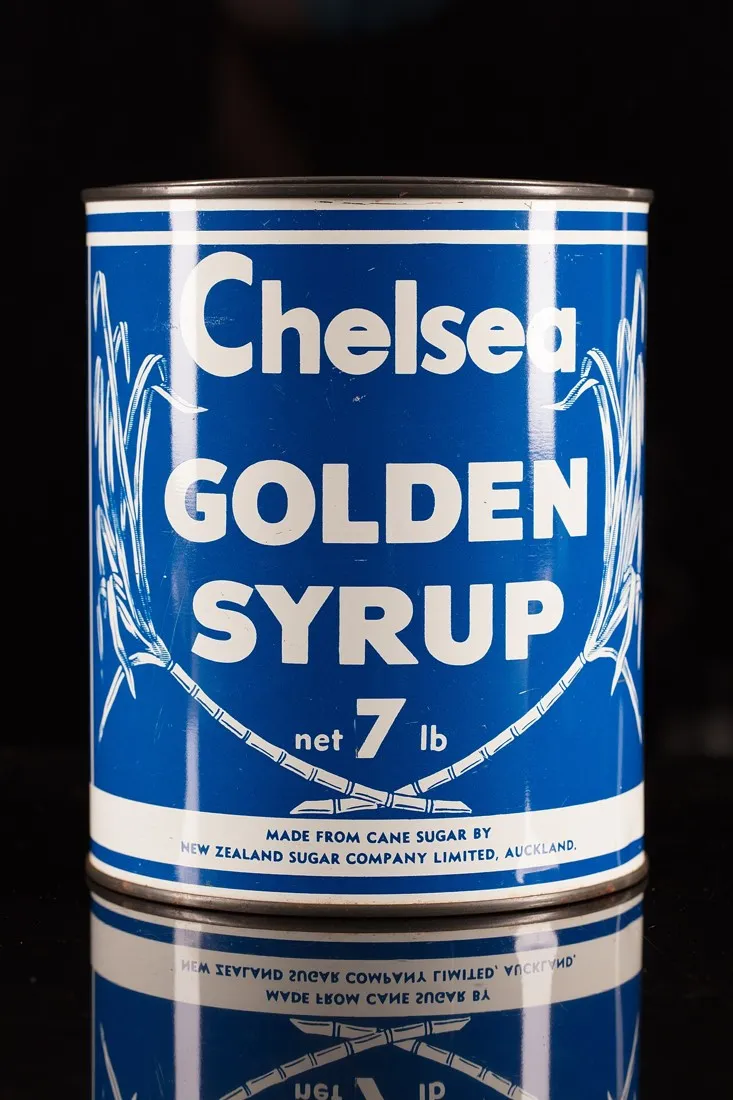
Maltose syrup is one of those ingredients that quietly does a lot of work. It adds body and a soft, clean sweetness without the sharp edge of sucrose, which is why importers and product developers keep it on the shortlist for reformulation. Yet the name covers a family of products, and understanding how it is made explains why two drums labelled “maltose syrup” can behave so differently. This guide covers the basics for buyers evaluating their first request for quotation.
What maltose syrup actually is
Chemically, maltose is a disaccharide made of two glucose units. Maltose syrup is a concentrated aqueous solution in which maltose is the leading sugar, accompanied by varying amounts of glucose, maltotriose and larger saccharides. It is not a single fixed substance but a spectrum, and the balance of those sugars is what the industry calls the grade. Typically it provides roughly 0.4 times the sweetness of sugar, with a smooth, non-cloying mouthfeel and good water-binding properties.
How it is made
Production is a controlled enzymatic process rather than a simple extraction. The main steps are broadly the same across producers:
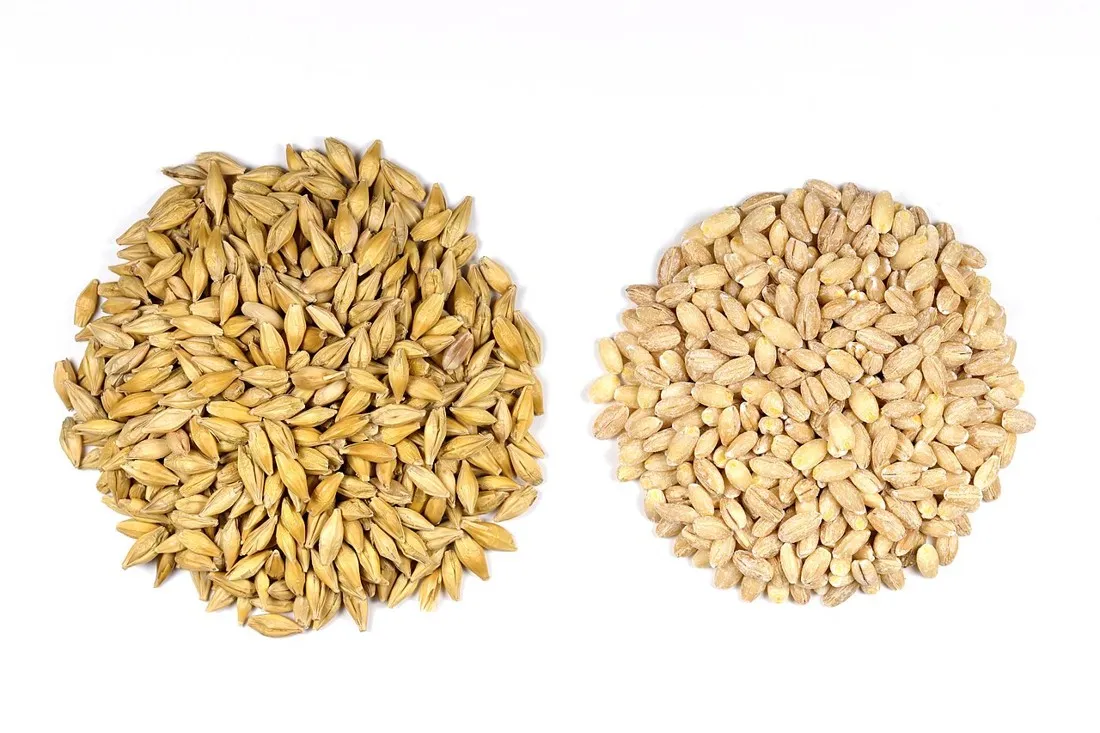
- Starch selection. Corn, tapioca, wheat and rice are the common feedstocks. The choice affects the starting saccharide profile, colour and cost.
- Liquefaction. The starch slurry is thinned with heat and an alpha-amylase enzyme, breaking the long chains into shorter dextrins and lowering viscosity.
- Saccharification. A second enzyme system converts the dextrins into fermentable sugars. Beta-amylase and related enzymes favour maltose, while other conditions favour glucose.
- Refining. The liquor is filtered, decolourised and deionised to remove protein, colour bodies and minerals, which is what gives food-grade syrup its clarity.
- Evaporation. Water is removed under vacuum to reach the target dry solids, commonly in the 75–84 Brix range, without overheating the sugars.
- Quality control and filling. Each lot is tested for sugar profile, colour and microbiology before it is packed.
Sweetness in context
Because maltose is less sweet than fructose, sucrose or glucose, a formulator can increase the syrup level to gain texture and moisture without the product becoming excessively sweet. That is the central trade-off buyers should understand: maltose is chosen for what it does to structure and shelf life as much as for how it tastes. The sweetness perception also depends on the DE value and the residual glucose, so two syrups at the same Brix can taste noticeably different.
| Parameter | Typical value | What it influences |
|---|---|---|
| Brix / dry solids | 75–84 | Dosing consistency and stability |
| Maltose content | 40–60% | Sweetness and texture profile |
| DE value | 35–48 | Balance of body versus sweetness |
| Relative sweetness | Around 0.4 of sucrose | Perceived sweetness in the finished product |
| Colour | Low ICUMSA | Suitability for pale products |
Where it is used
- Bakery: moisture retention that slows staling, plus controlled crust colour.
- Beverages: mouthfeel and body with less cloying sweetness than sugar.
- Frozen desserts: texture control through a gentler freezing-point shift.
- Confectionery: chew, shine and crystallisation management.
- Traditional foods and snacks: the characteristic chewy, glossy finish of many Asian sweets.
Handling and storage
Maltose syrup is hygroscopic, meaning it absorbs moisture from the air. Keep containers sealed, store below roughly 25°C away from direct sunlight, and avoid any water ingress into drums or totes. Under those conditions a typical food-grade syrup holds its specification for around 18–24 months. Cold temperatures raise viscosity and can make pumping difficult, so many plants warm the product gently before use. Because the material is dense and sticky, verify that your receiving equipment and transfer lines can handle the viscosity of the grade you order.
Frequently Asked Questions
Is maltose syrup the same as corn syrup?
Corn syrup is a broad term for starch-derived syrups and is often glucose-dominant. Maltose syrup is defined by having maltose as its leading sugar, which gives it a different sweetness and crystallisation profile.
Is it a natural ingredient?
It is made from plant starch using enzymes, without synthetic chemistry, and is widely treated as a conventional food ingredient. Whether it fits a specific “natural” label claim depends on your market’s rules.
Why does sweetness vary between suppliers?
Different starch sources and enzyme conditions produce different sugar profiles. A higher glucose fraction tastes sweeter than one dominated by maltose, even at the same Brix.
What documents should accompany a first order?
Ask for a certificate of analysis covering DE, sugar profile, dry solids, colour and microbiological limits, plus a specification sheet and, where relevant, allergen and origin statements.
💬 Join the conversation! What do you think about this topic? Leave a comment below — we read and reply to every message.
⬇️📋 Multilingual reply templates — copy & paste
Replace [country] and [topic] before posting.
- EnglishGreat post! We are a buyer from [country] interested in [topic]. Could you share pricing and MOQ details? Thank you!
- Spanish¡Gran artículo! Somos compradores de [país] interesados en [tema]. ¿Podrían compartir precios y cantidades mínimas? ¡Gracias!
- GermanToller Beitrag! Wir sind Käufer aus [Land] und interessieren uns für [Thema]. Könnten Sie Preise und Mindestbestellmengen mitteilen? Vielen Dank!
- FrenchExcellent article ! Nous sommes acheteurs de [pays] intéressés par [sujet]. Pourriez-vous partager les prix et les quantités minimales ? Merci !
- PortugueseÓtimo artigo! Somos compradores de [país] interessados em [tema]. Poderiam informar preços e quantidades mínimas? Obrigado!
- DutchMooi artikel! Wij zijn kopers uit [land] en geïnteresseerd in [onderwerp]. Kunt u prijzen en minimale afnamehoeveelheden delen? Bedankt!
- PolishŚwietny artykuł! Jesteśmy kupcami z [kraj] zainteresowanymi tematem [temat]. Czy moglibyście podać ceny i minimalne ilości? Dziękujemy!
- RussianОтличная статья! Мы покупатели из [страна], заинтересованы в [тема]. Могли бы вы сообщить цены и минимальный объём заказа? Спасибо!
- Japanese素晴らしい記事です![国] のバイヤーです。[トピック] に興味があります。価格と最小発注量を教えていただけますか?ありがとうございます!
- Korean좋은 글입니다! [국가]에서 온 구매자입니다. [주제]에 관심이 있습니다. 가격과 최소 주문 수량을 알려주시겠어요? 감사합니다!
- Thaiบทความดีมาก! เราคือผู้ซื้อจาก [ประเทศ] สนใจ [หัวข้อ] ช่วยแจ้งราคาและจำนวนสั่งซื้อขั้นต่ำได้ไหม ขอบคุณครับ!
- Hebrewפוסט מעולה! אנו קונים מ-[מדינה] ומתעניינים ב-[נושא]. תוכלו לשתף מחירים וכמויות מינימום? תודה!
- VietnameseBài viết hay! Chúng tôi là người mua từ [quốc gia] quan tâm đến [chủ đề]. Bạn có thể chia sẻ giá và số lượng tối thiểu không? Cảm ơn!
- IndonesianArtikel yang bagus! Kami pembeli dari [negara] tertarik pada [topik]. Bisakah Anda berbagi harga dan jumlah minimum? Terima kasih!
- Arabicمقال رائع! نحن مشترون من [الدولة] مهتمون بـ [الموضوع]. هل يمكنكم مشاركة الأسعار والحد الأدنى للكمية؟ شكرًا!
- KazakhКеремет мақала! Біз [ел] сатып алушыларымыз, [тақырып] қызықтырады. Баға мен ең аз тапсырыс көлемін айта аласыз ба? Рахмет!
Bel article, mais notre premier conteneur ne correspondait pas à l’échantillon. Le contrôle qualité s’est durci depuis. 😤
We had a bad experience with lead times on maltose syrup uses — always plan 2 weeks extra. ⏳
We have been importing maltose syrup uses for three years now. Biggest lesson: test every batch, never trust the first order. 📦
Nasza rada z doświadczenia z maltose syrup uses: ustal specyfikację na piśmie przed podpisaniem. ✍️
We are a buyer looking into maltose syrup uses. What MOQ do you usually work with? 🙋
바이어인데 maltose syrup uses을(를) 알아보고 있습니다. 최소 주문량이 어떻게 되나요? 🙋 이런 글 더 올려주세요. 진짜 경험은 찾기 힘드네요. 🙏
Great article, thanks! 👍 More posts like this please — hard to find real experience online. 🙏
Are certifications (BRC/ISO/HALAL) available for maltose syrup uses? Please share. 📋 Do you think maltose syrup uses works for smaller volumes too?
I disagree partly: price is rarely the whole story, the paperwork is what kills small importers. 😕
Are certifications (BRC/ISO/HALAL) available for maltose syrup uses? Please share. 📋 Do you think maltose syrup uses works for smaller volumes too?
Are certifications (BRC/ISO/HALAL) available for maltose syrup uses? Please share. 📋
Өте пайдалы мақала — maltose syrup uses бойынша дәл осылай істейміз. Рахмет! 👏

Импортируем maltose syrup uses уже три года. Главный урок: проверять каждую партию, не доверять первому заказу. 📦

Báo giá maltose syrup uses kèm COA từng lô được không? Chúng tôi cần chứng từ mỗi lô hàng. 📄 Chắc chắn chúng tôi sẽ áp dụng điều này ở lô hàng tới. 👍

Świetny artykuł, dzięki! 👍

Świetny artykuł, dzięki! 👍
드디어 이걸 명확히 써 주는 사람이 나왔네요. 팀 전체에 공유했습니다. 🙌 다음 선적 때 꼭 이걸 적용할게요. 👍
Für später gespeichert. 🔖
Third year of importing maltose syrup uses here — the supplier you are describing is exactly the kind we keep. 🤝 More posts like this please — hard to find real experience online. 🙏
Zijn certificeringen (BRC/ISO/HALAL) beschikbaar voor maltose syrup uses? Deel ze alstublieft. 📋