Replacing sugar with maltose syrup sounds like a straightforward swap on a cost sheet. In the mixer, it rarely is. Maltose syrup is a mixture of glucose, maltose and larger saccharides, and that composition gives it a different sweetness, a different relationship with water and a different response to heat. Treating the substitution as a one-for-one exchange is the fastest way to end up with a product that is under-sweet, over-chewy or unexpectedly dark.
Start with sweetness, not weight
The first fact to internalise is that maltose syrup is only moderately sweet. Its sweetness is commonly described as around 0.4 to 0.6 times that of sucrose on an equal-solids basis. A straight weight-for-weight replacement will therefore almost always reduce perceived sweetness. The practical fix is to separate the two jobs the original sugar was doing: delivering sweetness, and providing bulk and function. Sweetness can be topped up with a sweeter source; bulk and function are where maltose syrup earns its place.
What changes in the formula
Beyond sweetness, four behaviours usually shift when sugar is partly replaced.
- Water activity and moisture retention: maltose syrup is hygroscopic, so it tends to hold moisture and can improve softness and shelf life in baked goods.
- Crystallisation: it interferes with sucrose crystallisation, which is desirable in chewy candy and some jams but unwanted where a crisp, crystalline texture is the goal.
- Browning and colour: reducing sugars participate in Maillard browning, so higher levels can deepen colour and flavour during baking or heating.
- Freezing point: dissolved solids depress the freezing point, so frozen desserts soften and become easier to scoop.
Because these effects interact, the sensible approach is stepwise. Replace a modest share first, test texture, taste and colour, then increase in stages until the target is met or a limit is reached. Track process measures alongside sensory results so a change that looks fine on the bench does not surprise you at scale.
Application-specific notes
Bakery. A partial replacement can extend softness and add colour, but the lost sweetness may need compensating. Watch crust development, since extra reducing sugars can brown faster than expected.
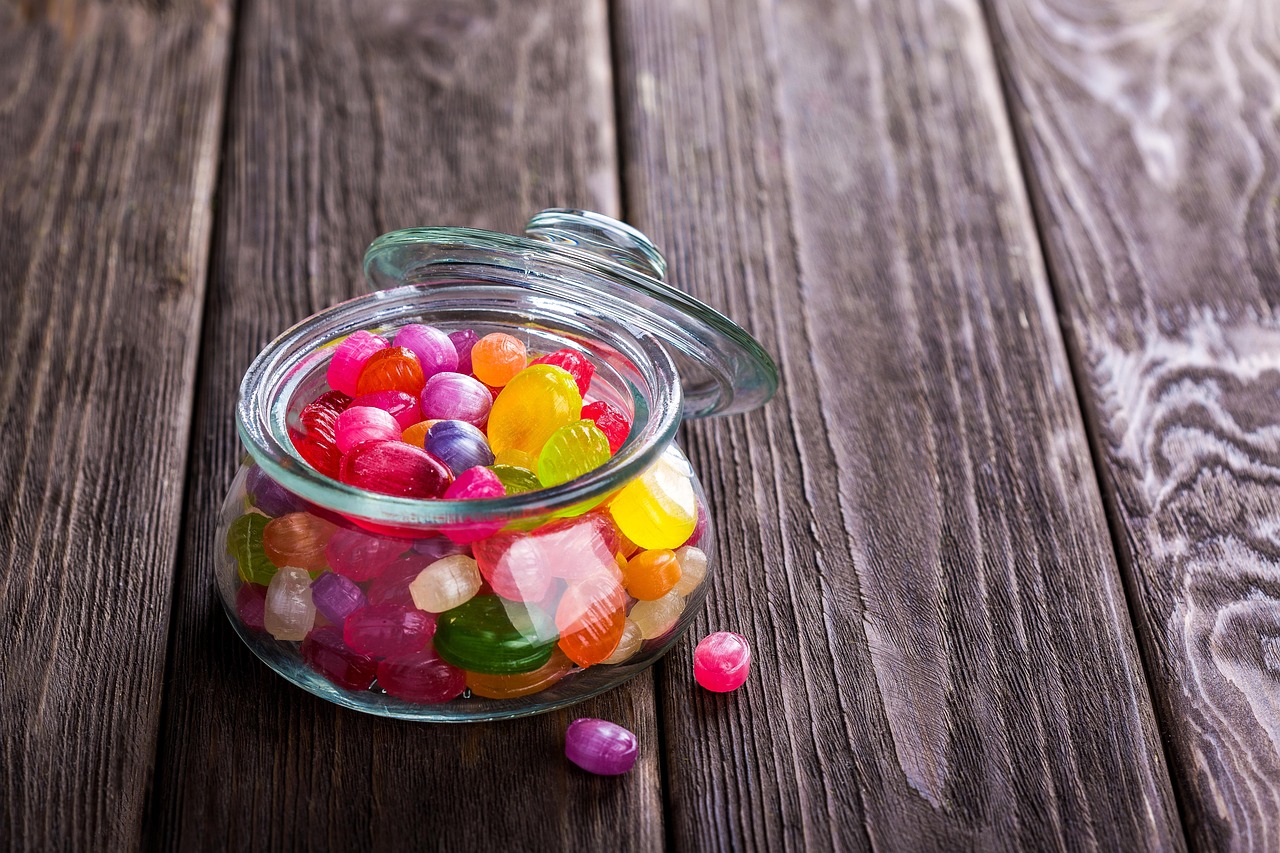
Confectionery. Here the anti-crystallising role is often the point. Many formulas deliberately pair syrup with sucrose to balance chew and structure rather than remove sugar entirely.
Beverages. Maltose syrup contributes body and a clean, gentle sweetness that lets other flavours stay forward. Because it is less sweet, a beverage reformulation may need a complementary sweetener to hit the target.
Frozen desserts. The freezing-point effect is a tool. Small adjustments can improve scoopability, but too much can leave the product soft and prone to meltdown.
Sauces and glazes. Syrup adds gloss, cling and mouthfeel, and it can soften the harsh edge of a heavily sugared recipe.
| Goal | How maltose syrup helps | What to watch |
|---|---|---|
| Reduce sweetness | Lower sweetness per unit solids | May need a top-up sweetener |
| Improve softness | Moisture retention | Excess can make texture sticky |
| Control crystallisation | Interferes with sucrose crystals | Not wanted in crisp products |
| Lower freezing point | Depresses freezing | Over-softening if overdosed |
Specification and labelling considerations
Not all maltose syrups behave the same way. A higher-DE syrup is sweeter and more hygroscopic; a lower-DE syrup is thicker and less sweet. Confirm DE, Brix and ash on the certificate of analysis, because those numbers determine how the substitution will perform. On the labelling side, requirements vary by market and the ingredient must be declared according to local rules, so check with a regulatory specialist rather than assuming a claim carries over from one country to another.
A substitution worth doing properly
Maltose syrup is a strong functional ingredient, not a magic sugar replacement. Used deliberately, it can lower perceived sweetness, improve texture and extend shelf life. Used carelessly, it produces a formula that misses its sweetness target and behaves unexpectedly. The difference is methodical, measured reformulation.
Frequently Asked Questions
Can I replace all the sugar with maltose syrup?
Full replacement is usually impractical because maltose syrup is less sweet and changes texture. Most formulators replace part of the sugar and top up sweetness with a sweeter ingredient.
Does maltose syrup taste different from sugar?
It is milder and cleaner rather than sharply sweet, which can let other flavours come through but may need compensating in formulas built around sugar.
Will it change the colour of my product?
Possibly. The reducing sugars in the syrup can promote browning during heating, which may be desirable in bakery but a drawback in pale or clear products.
Which DE should I choose for substitution?
It depends on the target. Lower DE gives more body and less sweetness, while higher DE gives more sweetness and easier handling. Trial the grade against your recipe.
💬 Join the conversation! What do you think about this topic? Leave a comment below — we read and reply to every message.
⬇️📋 Multilingual reply templates — copy & paste
Replace [country] and [topic] before posting.
- EnglishGreat post! We are a buyer from [country] interested in [topic]. Could you share pricing and MOQ details? Thank you!
- Spanish¡Gran artículo! Somos compradores de [país] interesados en [tema]. ¿Podrían compartir precios y cantidades mínimas? ¡Gracias!
- GermanToller Beitrag! Wir sind Käufer aus [Land] und interessieren uns für [Thema]. Könnten Sie Preise und Mindestbestellmengen mitteilen? Vielen Dank!
- FrenchExcellent article ! Nous sommes acheteurs de [pays] intéressés par [sujet]. Pourriez-vous partager les prix et les quantités minimales ? Merci !
- PortugueseÓtimo artigo! Somos compradores de [país] interessados em [tema]. Poderiam informar preços e quantidades mínimas? Obrigado!
- DutchMooi artikel! Wij zijn kopers uit [land] en geïnteresseerd in [onderwerp]. Kunt u prijzen en minimale afnamehoeveelheden delen? Bedankt!
- PolishŚwietny artykuł! Jesteśmy kupcami z [kraj] zainteresowanymi tematem [temat]. Czy moglibyście podać ceny i minimalne ilości? Dziękujemy!
- RussianОтличная статья! Мы покупатели из [страна], заинтересованы в [тема]. Могли бы вы сообщить цены и минимальный объём заказа? Спасибо!
- Japanese素晴らしい記事です![国] のバイヤーです。[トピック] に興味があります。価格と最小発注量を教えていただけますか?ありがとうございます!
- Korean좋은 글입니다! [국가]에서 온 구매자입니다. [주제]에 관심이 있습니다. 가격과 최소 주문 수량을 알려주시겠어요? 감사합니다!
- Thaiบทความดีมาก! เราคือผู้ซื้อจาก [ประเทศ] สนใจ [หัวข้อ] ช่วยแจ้งราคาและจำนวนสั่งซื้อขั้นต่ำได้ไหม ขอบคุณครับ!
- Hebrewפוסט מעולה! אנו קונים מ-[מדינה] ומתעניינים ב-[נושא]. תוכלו לשתף מחירים וכמויות מינימום? תודה!
- VietnameseBài viết hay! Chúng tôi là người mua từ [quốc gia] quan tâm đến [chủ đề]. Bạn có thể chia sẻ giá và số lượng tối thiểu không? Cảm ơn!
- IndonesianArtikel yang bagus! Kami pembeli dari [negara] tertarik pada [topik]. Bisakah Anda berbagi harga dan jumlah minimum? Terima kasih!
- Arabicمقال رائع! نحن مشترون من [الدولة] مهتمون بـ [الموضوع]. هل يمكنكم مشاركة الأسعار والحد الأدنى للكمية؟ شكرًا!
- KazakhКеремет мақала! Біз [ел] сатып алушыларымыз, [тақырып] қызықтырады. Баға мен ең аз тапсырыс көлемін айта аласыз ба? Рахмет!