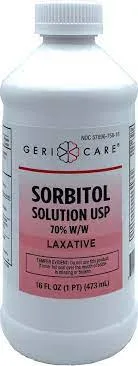
Ask ten beverage formulators which liquid sweetener they prefer and you will usually get the same answer: it depends on the drink. Fructose syrup and glucose syrup are the two most common bulk sweeteners in the industry, and the choice between them shapes sweetness, mouthfeel, colour stability and ultimately the cost of every litre produced. This comparison looks at how the two actually behave in a finished beverage rather than in a specification table alone.
Two syrups, two different jobs
Fructose syrup is produced by isomerising part of the glucose derived from starch, leaving a blend that is dominated by fructose. Glucose syrup, by contrast, is a mixture of glucose, maltose and larger saccharides, measured by its dextrose equivalent, or DE. The practical consequence is straightforward: fructose tastes markedly sweeter, while glucose brings body and a slower, rounder sweetness. Glucose syrup is also the more viscous of the two, which matters when a drink needs weight on the palate.
| Property | Fructose-based syrup (F55) | Glucose syrup |
|---|---|---|
| Relative sweetness (sucrose = 100) | around 100–120 | around 55–70, depending on DE |
| Mouthfeel | Light and clean | Heavier, fuller body |
| Flavour release | Fast, front-of-palate | Slower, rounding |
| Effect on freezing point | Strong depression | Moderate to strong |
| Typical beverage role | Soft drinks, teas, sparkling | Sports drinks, syrups, toppings |
Why sweetness numbers can mislead
Relative sweetness is measured under controlled conditions, and a real drink rarely matches those conditions. Three effects commonly shift what a consumer actually perceives:
- Temperature. Fructose tends to taste sweeter as a drink cools, so a chilled soft drink can read sweeter than the same formula served warm.
- Acidity. In acidic drinks, sweetness and sourness compete. A syrup that reads sweet in water may feel less sweet once citric or phosphoric acid is added.
- Carbonation. Carbon dioxide adds a mild acidity and a tactile bite that can mask sweetness, so sparkling products often need a touch more sweetener than their still equivalents.
Because of this, sweetness should be tuned by tasting at the final dilution and serving temperature, not by arithmetic alone.
Matching the syrup to the drink
Category experience is a useful starting point, even though every recipe is different:
- Carbonated soft drinks: a fructose-dominant syrup delivers clean, fast sweetness and good clarity at low cost per unit of sweetness.
- Tea and botanical drinks: a fructose-glucose blend softens the syrup’s edge while leaving delicate aromatics intact.
- Sports and energy drinks: glucose syrup contributes body and a steadier energy profile, often alongside a faster sugar for balance.
- Still fruit drinks: glucose syrup rounds sharp acidity and stretches fruit flavour across the palate.
- Syrups, cordials and toppings: glucose syrup supplies viscosity and resists crystallisation in concentrated sugar systems.
Blending is the practical middle path
In commercial practice, the binary choice is often false. Many formulators use a blend so that the sweetness comes largely from fructose while the body and crystallisation control come from glucose. The blend ratio becomes another formulation variable: shifting it can fine-tune mouthfeel without changing total sugar solids, which is useful when a label or a cost target constrains the recipe.
Practical checks before you commit
- Measure perceived sweetness on the finished, chilled, carbonated product, not on a bench syrup.
- Track Brix closely — a small drift in solids changes both sweetness and texture more than most buyers expect.
- Confirm the storage behaviour of each syrup, since glucose and fructose grades crystallise under different conditions.
- Run a blind panel comparison before switching, because a formula that is cheaper on paper is only cheaper if consumers cannot tell the difference.
- Check colour stability over shelf life, especially in clear drinks where any browning is immediately visible.
Cost per unit of sweetness
Fructose syrup usually wins on cost per unit of sweetness because less of it is needed to hit the same target. Glucose syrup can still be the better buy where its body, viscosity or crystallisation resistance prevents a more expensive texture-building ingredient from being added. The honest comparison is therefore total recipe cost against the sensory result, not price per tonne of syrup in isolation.
Frequently Asked Questions
Is fructose syrup always sweeter than glucose syrup?
On a like-for-like solids basis, yes — fructose is notably sweeter than glucose. The gap narrows in acidic or heavily carbonated drinks, where other tastes and sensations compete with sweetness.
Can I swap glucose syrup for fructose syrup without reformulating?
Rarely. The two differ in sweetness, viscosity and water activity, so a direct swap usually shifts both taste and texture. Treat it as a reformulation and adjust the blend until the target profile is met.
Which syrup is better for a reduced-sugar drink?
Fructose-based syrup is often used to keep sweetness high while reducing total sweetener solids, but it still contributes calories. For meaningful reductions, formulators typically combine a lower solids load with high-intensity sweeteners.
How should the syrups be stored?
Keep bulk syrup warm and dry, generally in the 25–35°C range, to limit crystallisation and viscosity swings. Confirm the recommended storage window for the exact grade, as fructose and glucose grades differ.
💬 Join the conversation! What do you think about this topic? Leave a comment below — we read and reply to every message.
⬇️📋 Multilingual reply templates — copy & paste
Replace [country] and [topic] before posting.
- EnglishGreat post! We are a buyer from [country] interested in [topic]. Could you share pricing and MOQ details? Thank you!
- Spanish¡Gran artículo! Somos compradores de [país] interesados en [tema]. ¿Podrían compartir precios y cantidades mínimas? ¡Gracias!
- GermanToller Beitrag! Wir sind Käufer aus [Land] und interessieren uns für [Thema]. Könnten Sie Preise und Mindestbestellmengen mitteilen? Vielen Dank!
- FrenchExcellent article ! Nous sommes acheteurs de [pays] intéressés par [sujet]. Pourriez-vous partager les prix et les quantités minimales ? Merci !
- PortugueseÓtimo artigo! Somos compradores de [país] interessados em [tema]. Poderiam informar preços e quantidades mínimas? Obrigado!
- DutchMooi artikel! Wij zijn kopers uit [land] en geïnteresseerd in [onderwerp]. Kunt u prijzen en minimale afnamehoeveelheden delen? Bedankt!
- PolishŚwietny artykuł! Jesteśmy kupcami z [kraj] zainteresowanymi tematem [temat]. Czy moglibyście podać ceny i minimalne ilości? Dziękujemy!
- RussianОтличная статья! Мы покупатели из [страна], заинтересованы в [тема]. Могли бы вы сообщить цены и минимальный объём заказа? Спасибо!
- Japanese素晴らしい記事です![国] のバイヤーです。[トピック] に興味があります。価格と最小発注量を教えていただけますか?ありがとうございます!
- Korean좋은 글입니다! [국가]에서 온 구매자입니다. [주제]에 관심이 있습니다. 가격과 최소 주문 수량을 알려주시겠어요? 감사합니다!
- Thaiบทความดีมาก! เราคือผู้ซื้อจาก [ประเทศ] สนใจ [หัวข้อ] ช่วยแจ้งราคาและจำนวนสั่งซื้อขั้นต่ำได้ไหม ขอบคุณครับ!
- Hebrewפוסט מעולה! אנו קונים מ-[מדינה] ומתעניינים ב-[נושא]. תוכלו לשתף מחירים וכמויות מינימום? תודה!
- VietnameseBài viết hay! Chúng tôi là người mua từ [quốc gia] quan tâm đến [chủ đề]. Bạn có thể chia sẻ giá và số lượng tối thiểu không? Cảm ơn!
- IndonesianArtikel yang bagus! Kami pembeli dari [negara] tertarik pada [topik]. Bisakah Anda berbagi harga dan jumlah minimum? Terima kasih!
- Arabicمقال رائع! نحن مشترون من [الدولة] مهتمون بـ [الموضوع]. هل يمكنكم مشاركة الأسعار والحد الأدنى للكمية؟ شكرًا!
- KazakhКеремет мақала! Біз [ел] сатып алушыларымыз, [тақырып] қызықтырады. Баға мен ең аз тапсырыс көлемін айта аласыз ба? Рахмет!
I disagree partly: price is rarely the whole story, the paperwork is what kills small importers. 😕
Bom artigo, mas nosso primeiro contêiner não bateu com a amostra. O controle de qualidade ficou mais rígido. 😤 Com certeza aplicaremos isso no nosso próximo envio. 👍
とても役立つ記事です。fructose syrup でもまさにこの方法でやっています。ありがとう!👏
Excellente lecture. La partie sur fructose syrup confirme ce que nous avons appris à nos dépens. 👍 Encore des articles comme celui-ci, s’il vous plaît — rare de trouver du vécu. 🙏
Können Sie fructose syrup mit COA pro Charge anbieten? Wir brauchen Unterlagen je Lieferung. 📄
שנה שלישית של ייבוא fructose syrup — הספק שתיארתם הוא בדיוק הסוג שאנחנו שומרים. 🤝
Świetny artykuł, dzięki! 👍
Great insights, keep them coming! 🚀
อ่านเพลินมาก ส่วนของ fructose syrup ยืนยันสิ่งที่เราเรียนรู้จากประสบการณ์ 👍
Very useful article — we have applied exactly this when dealing with fructose syrup. Thanks! 👏 We will apply this on our next shipment for sure. 👍
Ik ben het deels oneens: prijs is niet alles, het papierwerk maakt kleine importeurs af. 😕
Contenu solide. Nous alignons notre routine d’import sur fructose syrup, et ça rapporte.
Сохраню на потом. 🔖
Nous importons fructose syrup depuis trois ans. Grande leçon : tester chaque lot, ne jamais se fier à la première commande. 📦 Quelqu’un a-t-il essayé la même chose avec fructose syrup ? Curieux de savoir.
We have been importing fructose syrup for three years now. Biggest lesson: test every batch, never trust the first order. 📦

Wreszcie ktoś pisze to jasno. Udostępniliśmy całemu zespołowi. 🙌 Czy uważacie, że fructose syrup sprawdzi się też przy mniejszych wolumenach?
Somos compradores interesados en fructose syrup. ¿Con qué cantidad mínima trabajan? 🙋
We are a buyer looking into fructose syrup. What MOQ do you usually work with? 🙋 Our logistics team keeps saying the same thing. 📦
Does the price for fructose syrup include shipping to Rotterdam? We are comparing offers. 🚢 More posts like this please — hard to find real experience online. 🙏
סוף סוף מישהו כותב את זה בבהירות. שיתפנו עם כל הצוות. 🙌 בטוח נשתמש בזה במשלוח הבא. 👍