Raw pork skin is the single largest input in a chicharon line and the one that decides both texture and cost. Yet many buyers negotiate on price alone and discover later that a cheap lot yields fewer finished puffs, fries darker, or holds more hidden moisture. Sourcing well means understanding what grade you are buying, what it will actually yield after trimming and frying, and which pricing factors are legitimately variable.
What Makes Skin Suitable for Puffing
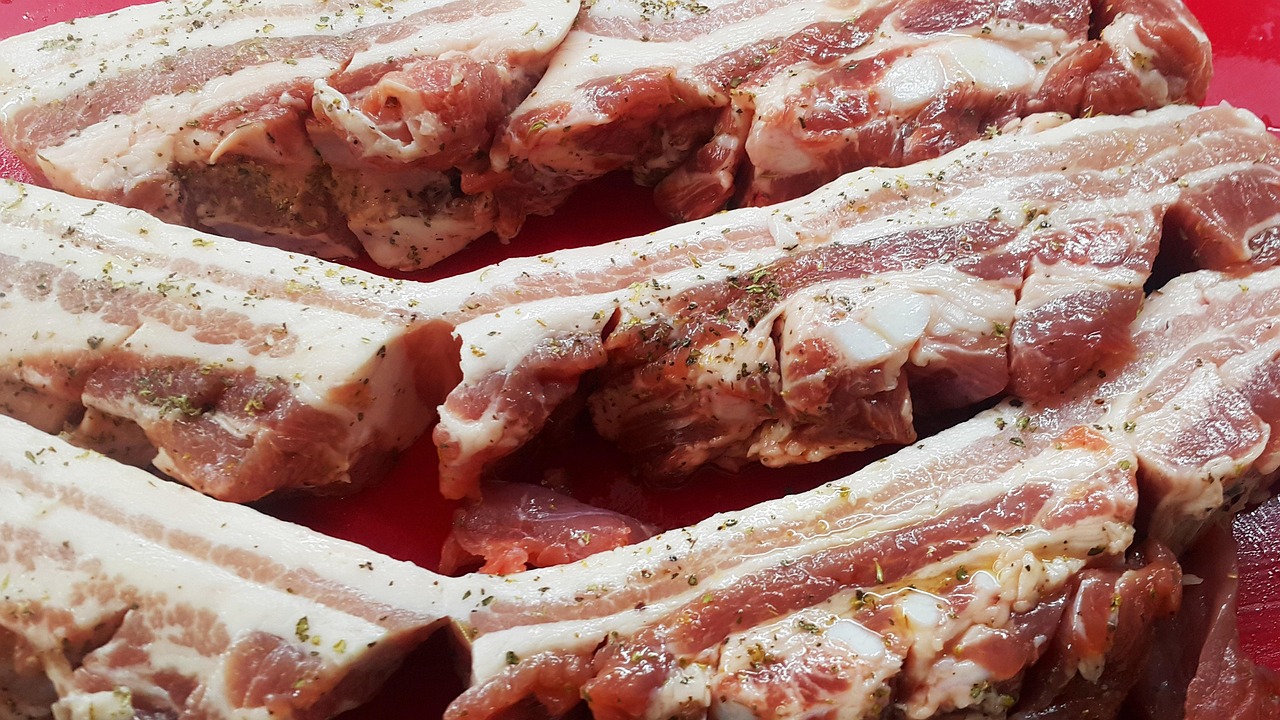
Not every skin produces a light, even puff. The best raw material comes from cleanly removed, well-chilled skin with a consistent thickness and minimal residual fat or hair root. Freshness matters because the skin begins to deteriorate quickly once separated from the carcass; temperature control from the abattoir to the processing plant is the first quality gate. Skin that has been repeatedly frozen and thawed tends to lose elasticity and puff unevenly.
Knowing the Grades
Suppliers use their own descriptions, but most trade grades can be placed on a spectrum from prime back skin to mixed or offcut material. The table below summarises how the common categories behave. Exact definitions vary by supplier, so always ask for a written grade description.
| Grade | Typical source | Behaviour in production |
|---|---|---|
| Prime back skin | Clean back cut, uniform thickness | Even puff, best yield, highest price |
| Standard skin | Mixed carcass locations | Acceptable puff, moderate trimming loss |
| Trim / offcut | Edges and remnants | Variable thickness, more sorting and waste |
| Frozen bulk | Bulk-frozen lots | Depends on freeze history and handling |
The Yield Arithmetic Buyers Get Wrong
Raw-to-finished yield is where the real cost hides. A buyer comparing two lots at the same price per kilogram is not comparing like with like unless the finished yield is similar. Yield is affected by residual fat, excess moisture, trim loss, and the amount of skin that fails to puff and must be rejected. A lot with more usable skin can be cheaper per finished kilogram even at a higher raw price.
The practical approach is to run a small pilot fry on each candidate lot and measure three numbers: usable raw weight after trimming, finished snack weight, and the proportion of rejects. Multiply those through your line’s real costs and the true input cost becomes visible. Hedging language matters here — actual yields vary with season, animal age and process, so treat any single figure as indicative.
What Moves the Price
Raw skin pricing responds to several forces. Pork carcass values and the demand for skin from other users — collagen extractors, gelatin makers and pet-food processors — compete for the same material. Seasonality affects supply as slaughter volumes rise and fall. Grading, whether the skin is fresh or frozen, and the logistics of cold-chain delivery all add to the landed cost. Currency movement can make an imported lot look attractive one month and expensive the next.
Because these inputs are volatile, a fixed annual price is rarely realistic. Buyers commonly agree a reference formula linked to a published market indicator plus a conversion fee, or they lock a base volume and price the balance at spot.
Qualifying the Source
Food-safety and traceability cannot be bolted on later. A competent supplier should document the slaughter and chilling regime, provide animal-health and veterinary certificates where required, and maintain cold-chain records for the journey. Buyers should confirm whether the material is single-origin or blended, since blending complicates traceability. A retained sample from each received lot, tested for moisture, fat and microbiological indicators, is a cheap safeguard.
Contract Terms That Protect the Buyer
Beyond price, define the grade, the maximum fat and moisture content, the acceptable temperature on arrival, the trim specification and the remedy for a non-conforming lot. Agree who bears the cost of rejected material and how quickly a replacement will be supplied. Small pilot purchases before a container commitment let both sides confirm that expectations match.
Frequently Asked Questions
Is fresh skin always better than frozen?
Not automatically. Fresh skin held at the right temperature is ideal, but well-frozen, single-freeze material can perform consistently. Repeated freeze-thaw cycles are what damage puffing quality.
How do I compare two raw skin quotes fairly?
Compare cost per finished kilogram, not per raw kilogram. Run a pilot fry to find yield and reject rate, then apply your own processing and packaging costs to each lot.
Why does raw skin price fluctuate so much?
Pork carcass values, competing demand from collagen and pet-food users, slaughter seasonality and cold-chain logistics all move the price, so a formula-linked contract is often more practical than a fixed rate.
What should I test on incoming skin?
At minimum, moisture and fat content, appearance and odour, and microbiological indicators. Keep a retained sample per lot so a later dispute can be traced to a specific delivery.
💬 Join the conversation! What do you think about this topic? Leave a comment below — we read and reply to every message.
⬇️📋 Multilingual reply templates — copy & paste
Replace [country] and [topic] before posting.
- EnglishGreat post! We are a buyer from [country] interested in [topic]. Could you share pricing and MOQ details? Thank you!
- Spanish¡Gran artículo! Somos compradores de [país] interesados en [tema]. ¿Podrían compartir precios y cantidades mínimas? ¡Gracias!
- GermanToller Beitrag! Wir sind Käufer aus [Land] und interessieren uns für [Thema]. Könnten Sie Preise und Mindestbestellmengen mitteilen? Vielen Dank!
- FrenchExcellent article ! Nous sommes acheteurs de [pays] intéressés par [sujet]. Pourriez-vous partager les prix et les quantités minimales ? Merci !
- PortugueseÓtimo artigo! Somos compradores de [país] interessados em [tema]. Poderiam informar preços e quantidades mínimas? Obrigado!
- DutchMooi artikel! Wij zijn kopers uit [land] en geïnteresseerd in [onderwerp]. Kunt u prijzen en minimale afnamehoeveelheden delen? Bedankt!
- PolishŚwietny artykuł! Jesteśmy kupcami z [kraj] zainteresowanymi tematem [temat]. Czy moglibyście podać ceny i minimalne ilości? Dziękujemy!
- RussianОтличная статья! Мы покупатели из [страна], заинтересованы в [тема]. Могли бы вы сообщить цены и минимальный объём заказа? Спасибо!
- Japanese素晴らしい記事です![国] のバイヤーです。[トピック] に興味があります。価格と最小発注量を教えていただけますか?ありがとうございます!
- Korean좋은 글입니다! [국가]에서 온 구매자입니다. [주제]에 관심이 있습니다. 가격과 최소 주문 수량을 알려주시겠어요? 감사합니다!
- Thaiบทความดีมาก! เราคือผู้ซื้อจาก [ประเทศ] สนใจ [หัวข้อ] ช่วยแจ้งราคาและจำนวนสั่งซื้อขั้นต่ำได้ไหม ขอบคุณครับ!
- Hebrewפוסט מעולה! אנו קונים מ-[מדינה] ומתעניינים ב-[נושא]. תוכלו לשתף מחירים וכמויות מינימום? תודה!
- VietnameseBài viết hay! Chúng tôi là người mua từ [quốc gia] quan tâm đến [chủ đề]. Bạn có thể chia sẻ giá và số lượng tối thiểu không? Cảm ơn!
- IndonesianArtikel yang bagus! Kami pembeli dari [negara] tertarik pada [topik]. Bisakah Anda berbagi harga dan jumlah minimum? Terima kasih!
- Arabicمقال رائع! نحن مشترون من [الدولة] مهتمون بـ [الموضوع]. هل يمكنكم مشاركة الأسعار والحد الأدنى للكمية؟ شكرًا!
- KazakhКеремет мақала! Біз [ел] сатып алушыларымыз, [тақырып] қызықтырады. Баға мен ең аз тапсырыс көлемін айта аласыз ба? Рахмет!