Chicharon does not cross a border as a generic “snack”. Once the product leaves its origin, every customs decision rests on how it is classified, what duty that classification attracts, and whether the importer holds the permits a processed pork product requires. Getting the HS code right is therefore a commercial exercise rather than a clerical one: a misplaced digit can shift the duty rate, trigger a re-inspection, or produce a hold whose demurrage costs more than the shipment’s margin.
Why Classification Is Decisive
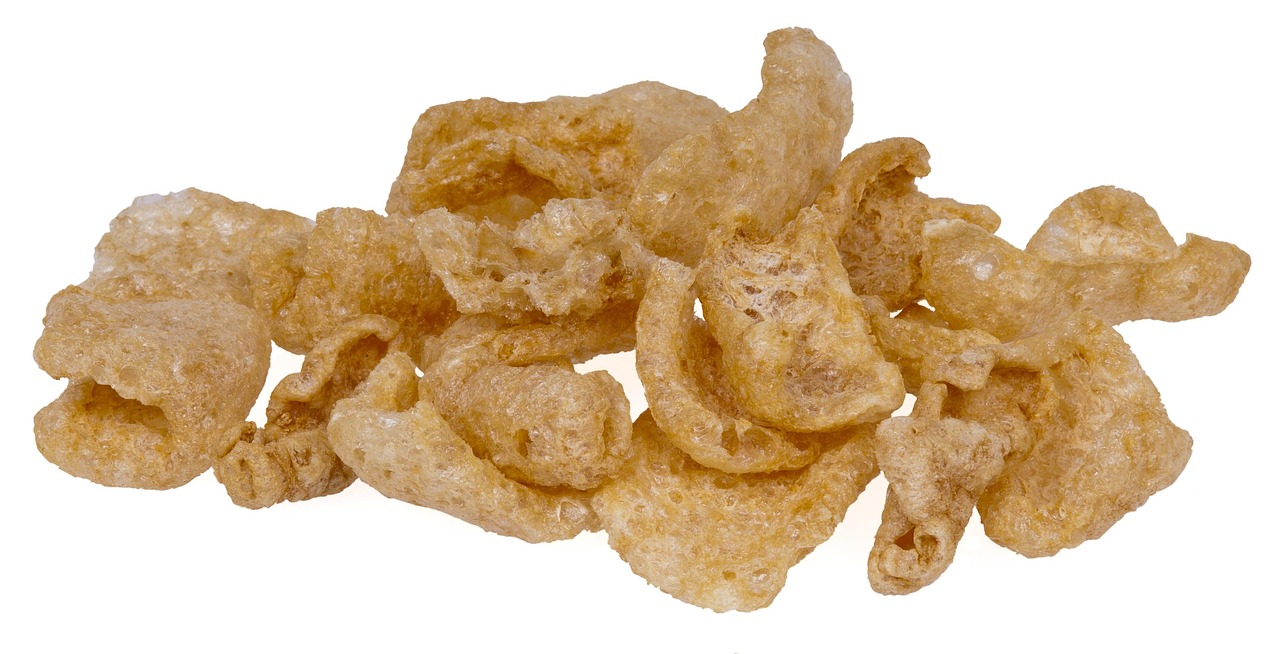
Customs authorities classify goods through the Harmonized System, a six-digit international structure that national tariff schedules extend to eight or ten digits. Fried pork skin sits at the intersection of prepared meat and savoury snack categories, and the heading that applies turns on composition, processing method and how the finished good is presented. A puffed, fully cooked pork rind and a partly dried skin destined for further frying can fall under different headings even when a photograph makes them look identical.
Because the result depends on the real product and the destination’s own schedule, the sound approach is to give a licensed customs broker a full technical description — ingredients, process, moisture, packaging and intended use — and, where the market allows it, to request a binding ruling before the first order ships.
Heading Families Buyers Commonly Meet
The table below shows the broad families that come up in trade; it is not a substitute for a ruling, and subheadings, rates and exclusions vary by market and are revised over time.
| Product form | Likely chapter family | Practical note |
|---|---|---|
| Fully cooked, ready-to-eat puffed rind | Prepared or preserved meat | Usually the default for retail snack packs |
| Salted or dried skin for further processing | Meat, salted, dried or smoked | Often carries animal-health conditions |
| Coated or batter-based snack variants | Prepared cereal, flour or starch goods | Classification can shift with added starch |
| Seasoning imported separately | Miscellaneous edible preparations | Blends are declared on their own merits |
Documentation That Prevents Delays
Classification only works when the paperwork supports it. A customs broker will typically ask for a commercial invoice with a plain-language description, a packing list, a certificate of origin, an animal-health or veterinary certificate, and evidence of any import permit. Retail-ready goods also need label review to confirm the declared ingredients, net weight, allergen statements and country of origin match the destination’s rules. A batch-level certificate of analysis is useful because it substantiates the processing claims that sit behind the chosen heading.
What Actually Drives the Duty
The headline tariff is only part of the bill. The final figure commonly combines the base ad valorem rate, any specific or compound duty, preferential rates available under a trade agreement, value-added tax or GST applied on the duty-inclusive value, and inspection or quarantine charges. In some markets, anti-dumping or safeguard measures apply to particular origins. Because preferential treatment usually requires a valid origin declaration and direct-shipment evidence, a lower rate is only real if the supply chain can prove it.
Market-by-Market Pointers
Animal-product imports are scrutinised everywhere, but the mechanics differ. Some markets require the manufacturing establishment to be listed or approved in advance; others demand a specific veterinary attestation or a minimum processing temperature. Gulf markets add halal certification and consular or import permits, while several Asian economies run pre-shipment inspection schemes. None of these are negotiable at the port, so they belong on the critical path weeks before production is booked.
Frequently Asked Questions
Can I rely on the HS code my supplier quotes?
Treat it as a starting point only. The importer of record is legally responsible for the declaration, so have a local broker confirm the code against your actual product and destination schedule.
Does a free trade agreement automatically remove the duty?
No. Preferential rates normally require a valid origin claim and sometimes direct shipment, and they still leave VAT, inspection fees and documentation costs in place.
What happens if customs reclassifies my shipment?
You may face a higher rate, a demand for back duty, storage or demurrage, and a slower release. A binding ruling obtained in advance is the main protection against this.
Is pest risk or animal disease a separate concern from duty?
Yes. Biosecurity and animal-health controls are assessed independently of tariff, so a shipment can be dutiable-correct yet still held for a missing veterinary certificate.
💬 Join the conversation! What do you think about this topic? Leave a comment below — we read and reply to every message.
⬇️📋 Multilingual reply templates — copy & paste
Replace [country] and [topic] before posting.
- EnglishGreat post! We are a buyer from [country] interested in [topic]. Could you share pricing and MOQ details? Thank you!
- Spanish¡Gran artículo! Somos compradores de [país] interesados en [tema]. ¿Podrían compartir precios y cantidades mínimas? ¡Gracias!
- GermanToller Beitrag! Wir sind Käufer aus [Land] und interessieren uns für [Thema]. Könnten Sie Preise und Mindestbestellmengen mitteilen? Vielen Dank!
- FrenchExcellent article ! Nous sommes acheteurs de [pays] intéressés par [sujet]. Pourriez-vous partager les prix et les quantités minimales ? Merci !
- PortugueseÓtimo artigo! Somos compradores de [país] interessados em [tema]. Poderiam informar preços e quantidades mínimas? Obrigado!
- DutchMooi artikel! Wij zijn kopers uit [land] en geïnteresseerd in [onderwerp]. Kunt u prijzen en minimale afnamehoeveelheden delen? Bedankt!
- PolishŚwietny artykuł! Jesteśmy kupcami z [kraj] zainteresowanymi tematem [temat]. Czy moglibyście podać ceny i minimalne ilości? Dziękujemy!
- RussianОтличная статья! Мы покупатели из [страна], заинтересованы в [тема]. Могли бы вы сообщить цены и минимальный объём заказа? Спасибо!
- Japanese素晴らしい記事です![国] のバイヤーです。[トピック] に興味があります。価格と最小発注量を教えていただけますか?ありがとうございます!
- Korean좋은 글입니다! [국가]에서 온 구매자입니다. [주제]에 관심이 있습니다. 가격과 최소 주문 수량을 알려주시겠어요? 감사합니다!
- Thaiบทความดีมาก! เราคือผู้ซื้อจาก [ประเทศ] สนใจ [หัวข้อ] ช่วยแจ้งราคาและจำนวนสั่งซื้อขั้นต่ำได้ไหม ขอบคุณครับ!
- Hebrewפוסט מעולה! אנו קונים מ-[מדינה] ומתעניינים ב-[נושא]. תוכלו לשתף מחירים וכמויות מינימום? תודה!
- VietnameseBài viết hay! Chúng tôi là người mua từ [quốc gia] quan tâm đến [chủ đề]. Bạn có thể chia sẻ giá và số lượng tối thiểu không? Cảm ơn!
- IndonesianArtikel yang bagus! Kami pembeli dari [negara] tertarik pada [topik]. Bisakah Anda berbagi harga dan jumlah minimum? Terima kasih!
- Arabicمقال رائع! نحن مشترون من [الدولة] مهتمون بـ [الموضوع]. هل يمكنكم مشاركة الأسعار والحد الأدنى للكمية؟ شكرًا!
- KazakhКеремет мақала! Біз [ел] сатып алушыларымыз, [тақырып] қызықтырады. Баға мен ең аз тапсырыс көлемін айта аласыз ба? Рахмет!