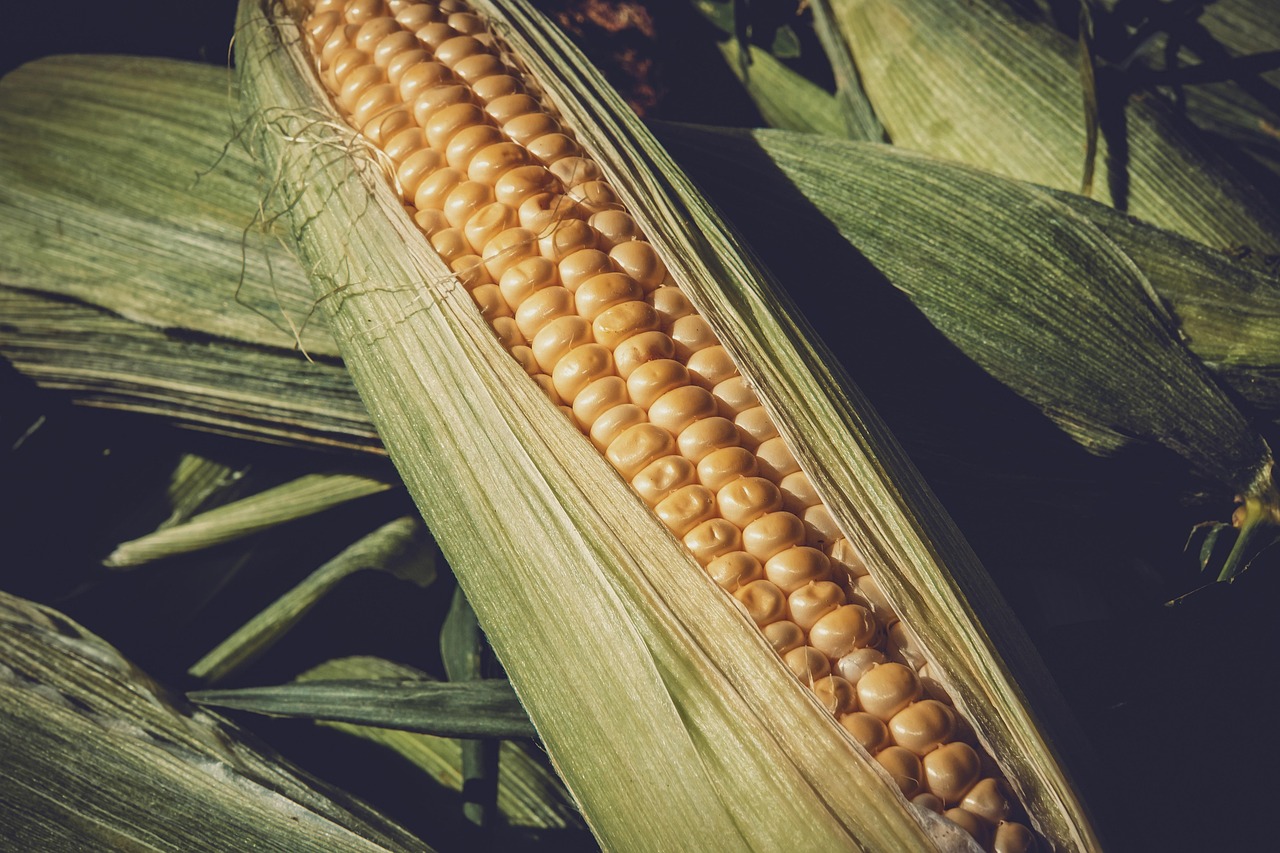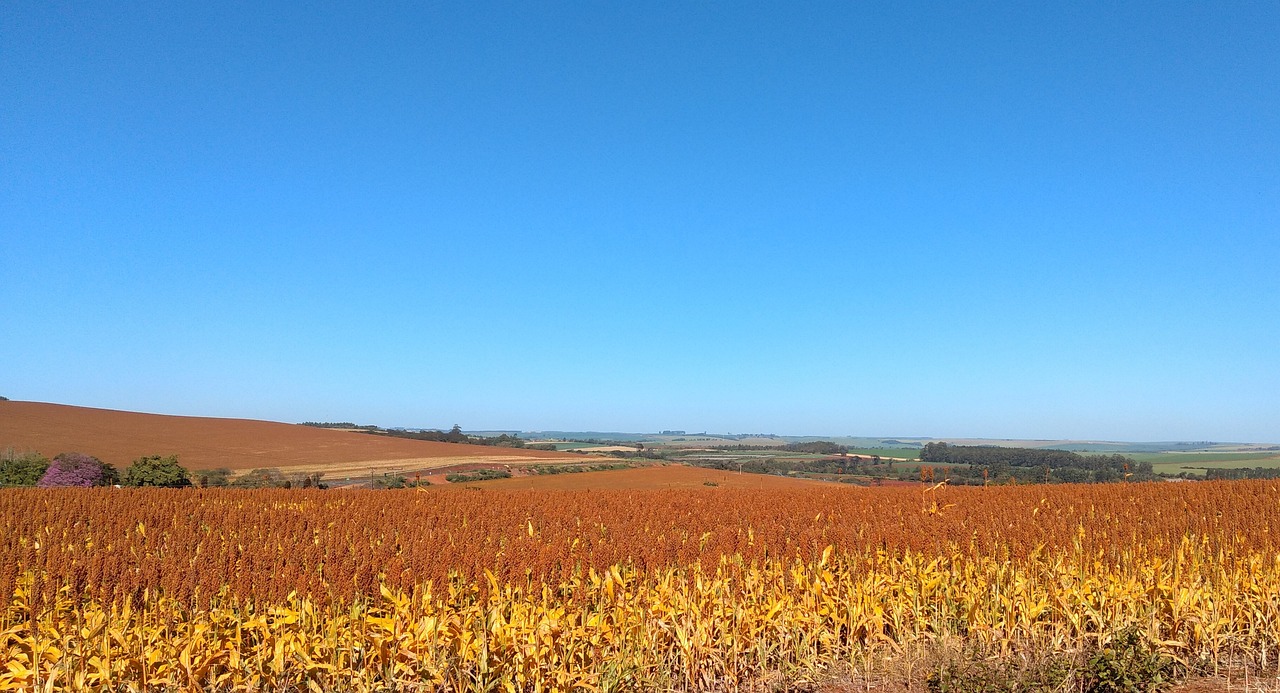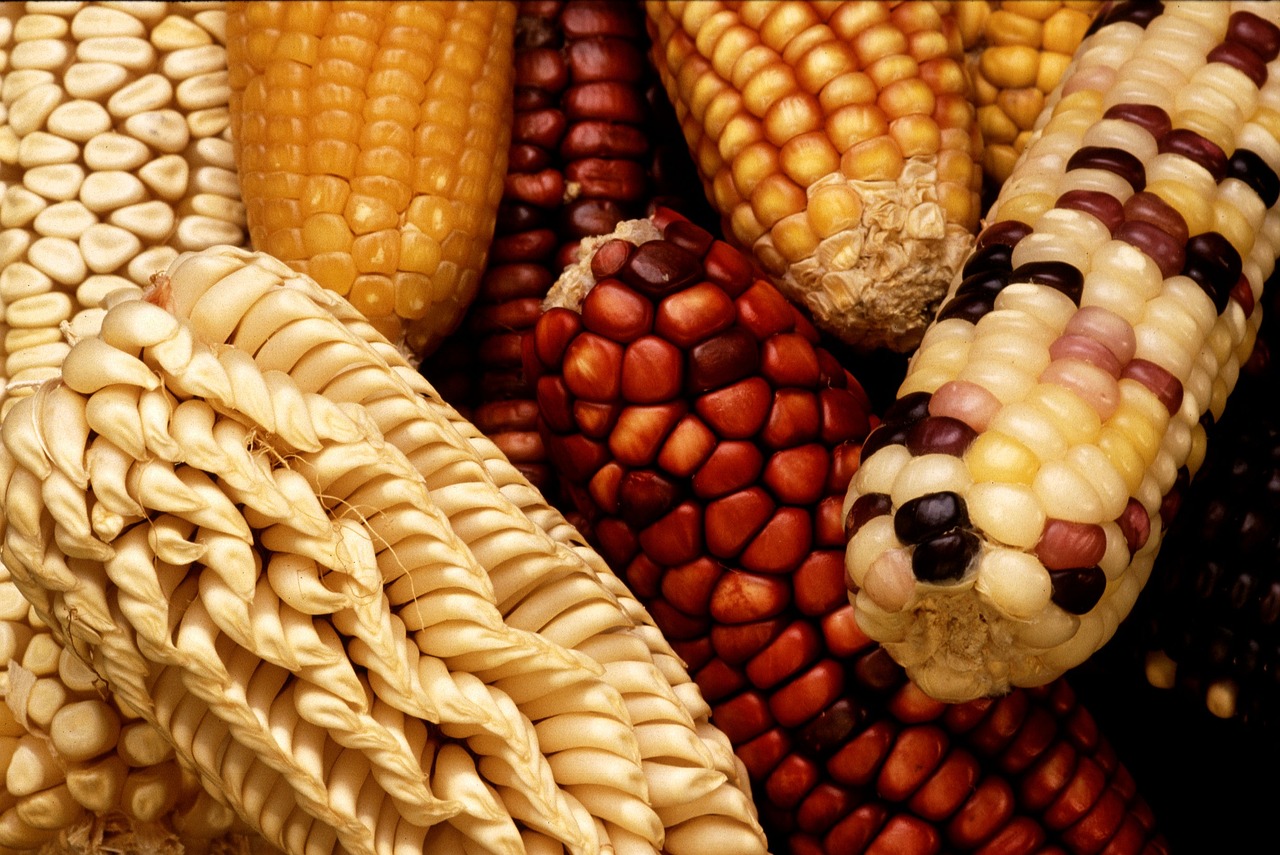
For a buyer, a non-GMO claim on fructose syrup is not one attribute but a chain of custody that starts at the seed and ends on the finished label. Because the sweetener is almost always produced from corn or another starch crop, “non-GMO” touches agronomy, segregation, documentation and marketing at the same time. Suppliers quote a premium for it, and much of that premium is real cost rather than margin. Knowing which costs are avoidable is what separates a well-negotiated programme from an expensive one.
What “non-GMO” means for a refined starch sweetener
Fructose syrup is made by breaking starch down to glucose and then rearranging part of that glucose into fructose. Refining removes the protein and DNA that GM testing normally looks for, so the clear liquid a plant receives rarely carries a meaningful detectable GMO signal. The status of the product therefore rests on the raw material and the handling system behind it, not on a test of the drum or flexitank. That distinction matters when a specification says “GMO-free”: in a highly refined stream, testing may prove very little, and the real evidence lives in feedstock records and segregation controls.
Where the premium is actually spent
Costs stack up across the chain rather than at a single point. Typical contributors include:
- Identity-preserved feedstock: non-GM corn, rice or tapioca usually costs more than commodity starch, and the supply base is thinner.
- Segregation and clean-out: dedicated or rigorously cleaned bins, lines and tankers add handling time and shrink usable capacity.
- Certification and audit fees: third-party non-GMO schemes charge annual fees and require periodic site inspections.
- Traceability overhead: lot-level documentation, retained records and admin labour all carry a cost.
- Smaller, less flexible lots: identity-preserved volumes are often harder to fill, which raises freight per tonne.
Added together, an indicative premium in the range of a few percent to the low teens over conventional material is common, with the exact figure depending on volume, contract length and how strictly identity is preserved.
Identity preservation versus mass balance
“Non-GMO” programmes are not all built the same way. Some rely on physical segregation, where non-GM feedstock is kept apart from conventional material at every step. Others use a mass-balance model, in which certified volumes are tracked on paper and credited against output without physically separating every batch. Both can support a claim, but they carry different risk. A buyer who needs a strong, defensible statement should ask the supplier to name the model and say how it is verified. Bulk liquids are also prone to commingling during transport, so the cleaning and prior-cargo history of tankers and flexitanks deserves a place in the specification.
Labelling the claim
Label rules are not harmonised. Some markets permit a dedicated non-GMO mark, some allow only a text statement, and others restrict GMO-related claims entirely or set tolerance thresholds for adventitious presence. Because the refined syrup may not be testable, a claim usually depends on documented supply-chain status rather than on an analytical result. Importers should confirm the wording and any required substantiation with the destination authority before the artwork is signed off, since a claim that is fine in one country can be non-compliant in the next.
Verifying the claim during procurement
- Request the certificate’s exact scope: feedstock, process or finished product.
- Ask for the identity-preservation plan, including field, storage and transport controls.
- Confirm the segregation model and how it is audited.
- Review recent third-party inspection reports and any findings.
- Test a finished lot only where the method is meaningful, and say so in the contract.
- Agree remedies, including replacement or credit, if a lot fails the agreed criteria.
Supply security and negotiation
The genuinely non-GM supply base is smaller than the conventional one, so a single qualified source is a real exposure. Qualifying a second supplier usually costs less than a halted line. On price, levers that work include committing annual volume, accepting full-container shipments, allowing a wider delivery window and, where regulation permits, using a general non-GMO statement instead of a fee-bearing logo. For products where the claim drives the purchase decision, the premium is often justified; for those where it is a minor ingredient, the money may be better spent on consistency or food-safety controls.
Frequently Asked Questions
Does refining remove all GM material from the syrup?
Refining removes most protein and DNA, so the finished liquid may carry no reliable GM signature. That is why non-GMO status is usually documented through the feedstock and segregation system rather than proven by testing the syrup itself.
Is non-GMO the same as organic?
No. Organic standards restrict synthetic inputs and also prohibit GMOs, but a non-GMO claim can be made on conventionally grown feedstock. The two certifications are separate, and a product can hold one without the other.
Can a supplier blend non-GMO and conventional batches?
Under a mass-balance model, certified and conventional volumes may be tracked together on paper. If your customer expects physically segregated material, specify that explicitly and confirm how the supplier prevents commingling.
How should the claim be worded in a contract?
Describe the feedstock, the segregation model, the required documentation and the acceptance criteria. Vague wording like “GMO-free” invites disputes because it does not say what is being measured or guaranteed.
💬 Join the conversation! What do you think about this topic? Leave a comment below — we read and reply to every message.
⬇️📋 Multilingual reply templates — copy & paste
Replace [country] and [topic] before posting.
- EnglishGreat post! We are a buyer from [country] interested in [topic]. Could you share pricing and MOQ details? Thank you!
- Spanish¡Gran artículo! Somos compradores de [país] interesados en [tema]. ¿Podrían compartir precios y cantidades mínimas? ¡Gracias!
- GermanToller Beitrag! Wir sind Käufer aus [Land] und interessieren uns für [Thema]. Könnten Sie Preise und Mindestbestellmengen mitteilen? Vielen Dank!
- FrenchExcellent article ! Nous sommes acheteurs de [pays] intéressés par [sujet]. Pourriez-vous partager les prix et les quantités minimales ? Merci !
- PortugueseÓtimo artigo! Somos compradores de [país] interessados em [tema]. Poderiam informar preços e quantidades mínimas? Obrigado!
- DutchMooi artikel! Wij zijn kopers uit [land] en geïnteresseerd in [onderwerp]. Kunt u prijzen en minimale afnamehoeveelheden delen? Bedankt!
- PolishŚwietny artykuł! Jesteśmy kupcami z [kraj] zainteresowanymi tematem [temat]. Czy moglibyście podać ceny i minimalne ilości? Dziękujemy!
- RussianОтличная статья! Мы покупатели из [страна], заинтересованы в [тема]. Могли бы вы сообщить цены и минимальный объём заказа? Спасибо!
- Japanese素晴らしい記事です![国] のバイヤーです。[トピック] に興味があります。価格と最小発注量を教えていただけますか?ありがとうございます!
- Korean좋은 글입니다! [국가]에서 온 구매자입니다. [주제]에 관심이 있습니다. 가격과 최소 주문 수량을 알려주시겠어요? 감사합니다!
- Thaiบทความดีมาก! เราคือผู้ซื้อจาก [ประเทศ] สนใจ [หัวข้อ] ช่วยแจ้งราคาและจำนวนสั่งซื้อขั้นต่ำได้ไหม ขอบคุณครับ!
- Hebrewפוסט מעולה! אנו קונים מ-[מדינה] ומתעניינים ב-[נושא]. תוכלו לשתף מחירים וכמויות מינימום? תודה!
- VietnameseBài viết hay! Chúng tôi là người mua từ [quốc gia] quan tâm đến [chủ đề]. Bạn có thể chia sẻ giá và số lượng tối thiểu không? Cảm ơn!
- IndonesianArtikel yang bagus! Kami pembeli dari [negara] tertarik pada [topik]. Bisakah Anda berbagi harga dan jumlah minimum? Terima kasih!
- Arabicمقال رائع! نحن مشترون من [الدولة] مهتمون بـ [الموضوع]. هل يمكنكم مشاركة الأسعار والحد الأدنى للكمية؟ شكرًا!
- KazakhКеремет мақала! Біз [ел] сатып алушыларымыз, [тақырып] қызықтырады. Баға мен ең аз тапсырыс көлемін айта аласыз ба? Рахмет!