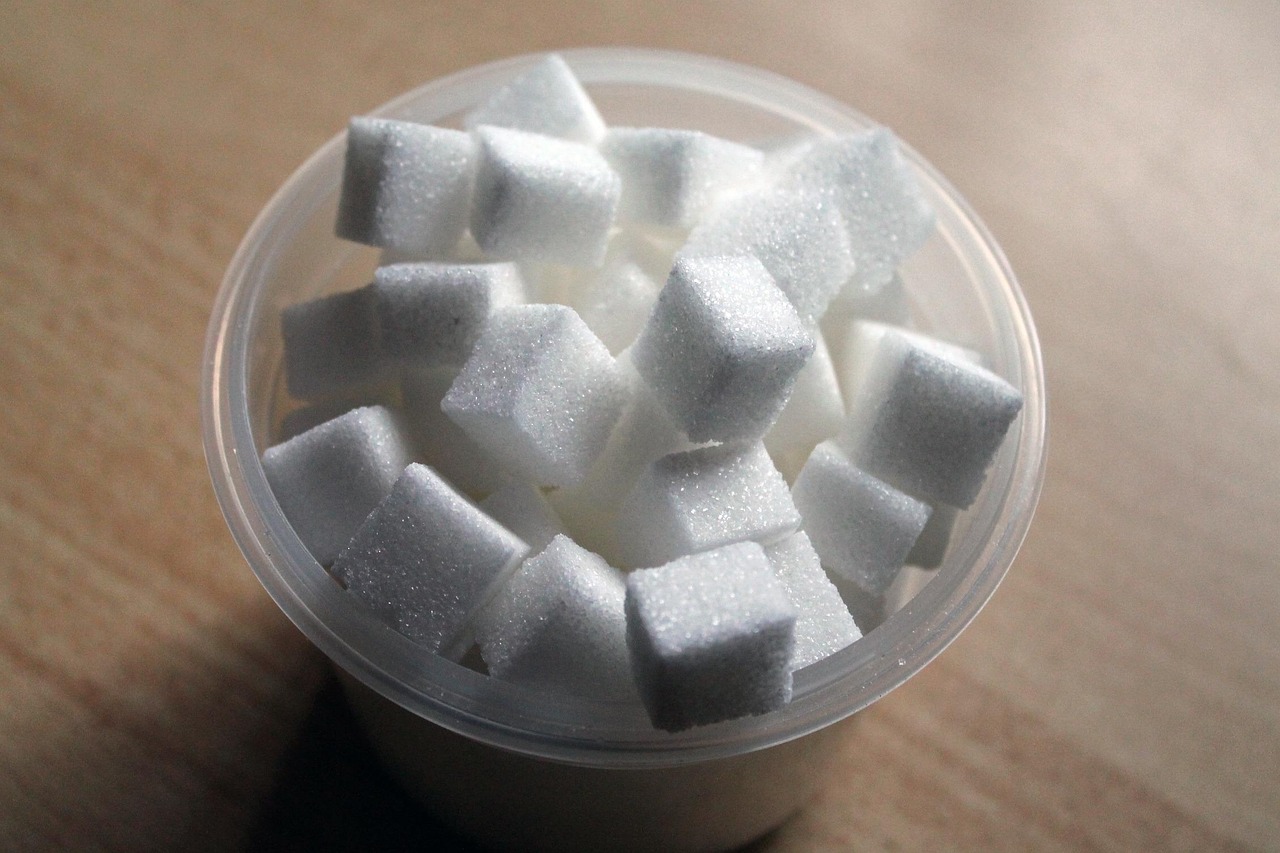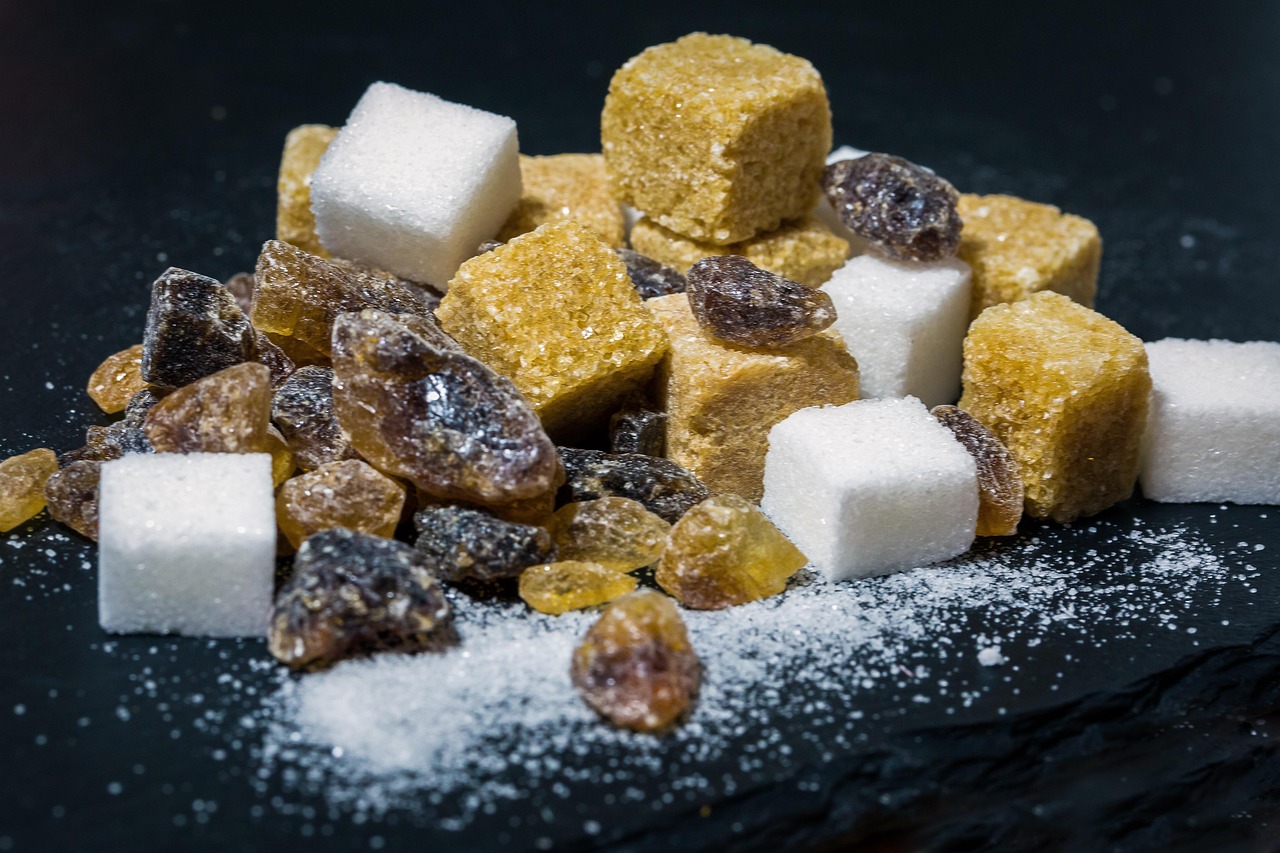
In a soft-drink plant, sugar is not simply a sweetener: it is a building block of body, mouthfeel and visual appeal. Buying that sugar already dissolved changes batching, filtration and quality control, and it puts the clarity of the finished bottle under a microscope. This article looks at the three technical threads buyers and formulators should keep in view when specifying liquid sugar for beverages: solubility, clarity and mouthfeel.
Solubility and the saturation point
Sucrose is highly soluble in water, but only up to a limit that moves with temperature. Around ambient conditions, a saturated sucrose solution holds roughly two parts sugar to one part water, which corresponds to a commercial concentration near 66–67 degrees Brix. That is the standard liquid sugar grade because it offers the most sweetness per tonne transported while remaining stable and pumpable.
The same concentration that makes shipping efficient also makes the syrup self-preserving. At around 67 Brix, water activity is low enough that spoilage yeasts and moulds cannot readily grow, so properly filtered liquid sugar can be stored for extended periods without preservatives. Two operating limits follow from this:
- Do not let the solids fall too far. Diluted syrup raises water activity and opens the door to microbial growth, particularly in warm climates or slow-moving tanks.
- Do not push solids too high. Above saturation, sucrose can crystallise as the syrup cools in the tank or in the transfer line, creating a handling problem that is difficult to reverse.
Why clarity is a specification, not a preference
Clear bottles and light-coloured drinks leave nowhere for haze to hide. Clarity is therefore written into the specification rather than treated as a nice-to-have. Buyers typically look at colour measured in ICUMSA units, turbidity or visual brightness after filtration, and the absence of suspended particles that could settle or show as a haze over shelf life.
Good suppliers polish liquid sugar through carbon and fine filtration before dispatch to strip out colour bodies and particulates. In the plant, the syrup may be passed through a final filter before it enters the blend tank, and transfer lines are cleaned on a defined cycle to prevent biofilm and residue that would undermine all that upstream effort.
| Parameter | Typical indicative range | Why it matters in a soft drink |
|---|---|---|
| Total solids (Brix) | around 66–67°Bx | Stability, sweetness yield and freight economy |
| Colour | often below about 45 IU for clear drinks | Bottle clarity and brand appearance |
| Invert sugar | low and supplier-defined | Consistency of sweetness and colour over life |
| Turbidity | bright after filtration | No haze in clear or lightly coloured products |
| Conductivity ash | low | Indicates refinement and ionic load |
Mouthfeel and how sucrose carries flavour
Sucrose does more than register as sweet. It contributes viscosity and perceived body, softens the sharp edge of acidulants, and helps carry aroma and flavour compounds across the palate. Because liquid sugar is essentially pure dissolved sucrose, a brand that switches from dry sugar can reproduce that mouthfeel more consistently from batch to batch, which is often the real commercial motivation for changing format.
The nuance to watch is inversion. Under heat or low pH, sucrose gradually splits into glucose and fructose. A small invert fraction is normal and slightly increases sweetness, but excessive inversion darkens the syrup and tilts the sweetness profile of the recipe. This matters most in acidic drinks stored warm, so invert sugar should be a specified and monitored value rather than an afterthought.
Matching the format to the plant
Liquid sugar moves in road tankers, ISO tank containers and drums. The receiving plant needs compatible storage, temperature control and pumping capacity, and lines should be insulated or heat-traced in cold climates to keep viscosity and flow predictable. Where a plant lacks bulk storage, drums or IBCs provide a lower-infrastructure entry point, though the unit cost per kilogramme of sugar is usually higher.
Before negotiating price, confirm the delivery format against your intake capability and the shelf life you can realistically turn over. A tanker load is economical only if the volume will be consumed before quality drifts in storage.
Quality questions for a supplier
Ask what colour, Brix and invert limits are guaranteed per batch, whether the syrup is heat-treated or filtered to a defined microbiological standard, and what cleaning and inspection regime applies to tanks and transfer lines. Compare each shipment with the approval sample and retain a counter-sample. Clarity problems in a finished drink are expensive to trace, so evidence collected at intake is cheap insurance.
Frequently Asked Questions
Is liquid sugar interchangeable with glucose or fructose syrup?
No. Liquid sugar is dissolved sucrose. Glucose and fructose syrups are made by hydrolysing or isomerising starch and have different sweetness, body and handling behaviour, so a straight swap changes the drink.
Does liquid sugar need preservatives?
Normally not. At around 67 Brix the low water activity keeps properly filtered, hygienically handled syrup stable. Tank and line hygiene remain essential.
Why has my clear drink developed a haze?
Possible causes include insufficient filtration, invert sugar and colour development, or contamination in storage and transfer lines. Check the batch certificate and the plant cleaning regime together.
What concentration should I order for beverages?
Most beverage users buy in the region of 66–67 Brix, which balances stability, sweetness delivery and freight economics. The exact figure depends on dosing equipment and storage conditions.
💬 Join the conversation! What do you think about this topic? Leave a comment below — we read and reply to every message.
⬇️📋 Multilingual reply templates — copy & paste
Replace [country] and [topic] before posting.
- EnglishGreat post! We are a buyer from [country] interested in [topic]. Could you share pricing and MOQ details? Thank you!
- Spanish¡Gran artículo! Somos compradores de [país] interesados en [tema]. ¿Podrían compartir precios y cantidades mínimas? ¡Gracias!
- GermanToller Beitrag! Wir sind Käufer aus [Land] und interessieren uns für [Thema]. Könnten Sie Preise und Mindestbestellmengen mitteilen? Vielen Dank!
- FrenchExcellent article ! Nous sommes acheteurs de [pays] intéressés par [sujet]. Pourriez-vous partager les prix et les quantités minimales ? Merci !
- PortugueseÓtimo artigo! Somos compradores de [país] interessados em [tema]. Poderiam informar preços e quantidades mínimas? Obrigado!
- DutchMooi artikel! Wij zijn kopers uit [land] en geïnteresseerd in [onderwerp]. Kunt u prijzen en minimale afnamehoeveelheden delen? Bedankt!
- PolishŚwietny artykuł! Jesteśmy kupcami z [kraj] zainteresowanymi tematem [temat]. Czy moglibyście podać ceny i minimalne ilości? Dziękujemy!
- RussianОтличная статья! Мы покупатели из [страна], заинтересованы в [тема]. Могли бы вы сообщить цены и минимальный объём заказа? Спасибо!
- Japanese素晴らしい記事です![国] のバイヤーです。[トピック] に興味があります。価格と最小発注量を教えていただけますか?ありがとうございます!
- Korean좋은 글입니다! [국가]에서 온 구매자입니다. [주제]에 관심이 있습니다. 가격과 최소 주문 수량을 알려주시겠어요? 감사합니다!
- Thaiบทความดีมาก! เราคือผู้ซื้อจาก [ประเทศ] สนใจ [หัวข้อ] ช่วยแจ้งราคาและจำนวนสั่งซื้อขั้นต่ำได้ไหม ขอบคุณครับ!
- Hebrewפוסט מעולה! אנו קונים מ-[מדינה] ומתעניינים ב-[נושא]. תוכלו לשתף מחירים וכמויות מינימום? תודה!
- VietnameseBài viết hay! Chúng tôi là người mua từ [quốc gia] quan tâm đến [chủ đề]. Bạn có thể chia sẻ giá và số lượng tối thiểu không? Cảm ơn!
- IndonesianArtikel yang bagus! Kami pembeli dari [negara] tertarik pada [topik]. Bisakah Anda berbagi harga dan jumlah minimum? Terima kasih!
- Arabicمقال رائع! نحن مشترون من [الدولة] مهتمون بـ [الموضوع]. هل يمكنكم مشاركة الأسعار والحد الأدنى للكمية؟ شكرًا!
- KazakhКеремет мақала! Біз [ел] сатып алушыларымыз, [тақырып] қызықтырады. Баға мен ең аз тапсырыс көлемін айта аласыз ба? Рахмет!