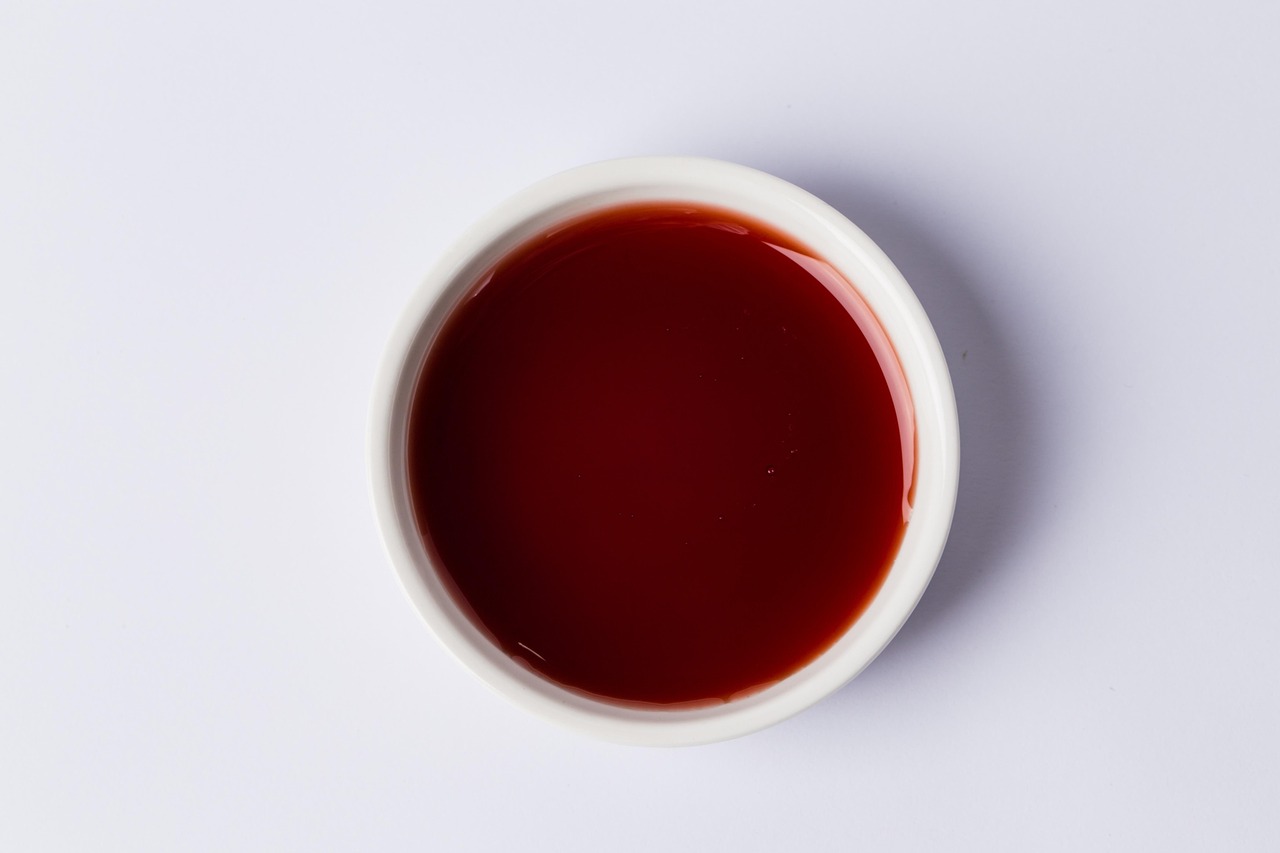
Few ingredients illustrate the link between agriculture and food manufacturing as clearly as maltose syrup. It is made by hydrolysing starch from corn, tapioca, wheat or rice, then refining and evaporating the result to a high-solids liquid. With 2026 procurement cycles now being planned, buyers are asking the same three questions: will supply stay long, where is demand heading, and which producer regions are likely to set the tone?
Supply: capacity is comfortable, but not effortless
The starch-sweetener complex has invested heavily in hydrolysis and evaporation capacity over the past decade, particularly in Asia. Because maltose syrup shares feedstock and much of its process train with glucose syrup and other starch derivatives, producers can often swing between products as relative demand shifts. That flexibility is a stabilising force: a tight spot in one grade can sometimes be relieved by adjusting a plant’s product mix.
Comfortable nameplate capacity, however, is not the same as guaranteed output. Feedstock quality and price, energy availability and maintenance downtime all cap real production. Corn and tapioca crops are seasonal, and a poor harvest in a key growing region can lift raw-material costs even when finished-syrup capacity looks ample. Buyers should watch feedstock more than headlines.
Demand: reformulation is the main engine
Food and beverage manufacturers continue to move away from a simple “more sugar” approach. Maltose syrup suits that shift because it contributes body, texture and mild sweetness rather than an aggressive sugar hit. Several end-use categories are doing the pulling.
- Confectionery: controls crystallisation and delivers chew, so it remains a backbone ingredient in gummies, nougat and soft candy.
- Bakery: retains moisture, supports crust colour and slows staling.
- Beverages and bubble tea: provides clean body and a gentle sweetness that lets tea and fruit notes stay forward.
- Ice cream and frozen desserts: manages freezing point and improves scoopability.
- Sauces and glazes: adds gloss and cling without overwhelming flavour.
The common thread is function. Buyers are not simply substituting a cheaper sweetener; they are selecting a syrup for how it behaves in the finished product.
Where production is concentrated
Maltose syrup production tends to cluster where starch feedstock is abundant and processing costs are competitive. East and Southeast Asia, with established corn and tapioca supply chains, host a large share of global capacity. Europe and North America maintain significant output as well, often serving domestic and regional customers where freight and lead time matter more than absolute unit price. The practical point for an importer is that origin diversity exists, but not every origin offers the same grade range or documentation standard.
What moves the price
Four inputs usually explain most of the variation in quoted prices: feedstock cost, energy, freight and exchange rates. Packaging adds another layer, since a drum-heavy order carries a very different cost structure from a flexitank. Tariffs and import duties can swing landed cost as much as any market move.
| Driver | Direction of pressure | What buyers can watch |
|---|---|---|
| Feedstock harvest | A poor crop lifts cost | Crop reports for corn and tapioca |
| Energy prices | Higher energy lifts cost | Fuel and utility indices in producer regions |
| Freight rates | A capacity crunch lifts cost | Container availability on key lanes |
| Trade policy | Duties and rules change landed cost | Tariff schedules and import requirements |
Reading demand signals in your own category
Aggregate market reports are useful background, but they rarely tell a single buyer what to do. A confectioner watching sugar-reduction launches in its own segment will spot demand shifts earlier than any headline figure. The same is true for a beverage brand tracking label changes or a bakery chain watching shelf-life claims. Combine that category-level reading with the supply fundamentals above and you get a working picture rather than a generic forecast.
The 2026 outlook in practice
Most signals point to a well-supplied market with demand growth led by reformulation rather than a sudden surge. That favours buyers who lock in specifications and relationships early, but it also means there is little reason to panic-buy. Qualifying a second supplier is the single most useful hedge: it protects against plant outages, freight disruption and unexpected policy changes without requiring a large commitment.
Building a resilient sourcing plan
A market that looks comfortable today can still disrupt a single-sourced buyer tomorrow. A practical plan pairs one primary supplier with one qualified alternative, keeps a modest safety stock sized to your realistic lead time, and sets a specification that both suppliers can meet. That way a price move or a late shipment becomes a scheduling inconvenience rather than a production stoppage.
Frequently Asked Questions
Is maltose syrup supply expected to be tight in 2026?
Capacity is generally ample, so outright shortages are less likely than regional or grade-specific tightness caused by feedstock or logistics disruption.
Which regions dominate maltose syrup production?
Asia accounts for a large share because of abundant corn and tapioca, with Europe and North America also producing significant volumes for regional buyers.
Does DE value affect the market price?
Generally yes. Reaching a higher DE usually requires more processing, so higher-DE syrups tend to be priced above lower-DE grades of similar solids content.
How can a buyer reduce market risk?
Qualify at least two suppliers, agree a fixed specification, and hold enough safety stock to cover normal shipping variability on your lane.
💬 Join the conversation! What do you think about this topic? Leave a comment below — we read and reply to every message.
⬇️📋 Multilingual reply templates — copy & paste
Replace [country] and [topic] before posting.
- EnglishGreat post! We are a buyer from [country] interested in [topic]. Could you share pricing and MOQ details? Thank you!
- Spanish¡Gran artículo! Somos compradores de [país] interesados en [tema]. ¿Podrían compartir precios y cantidades mínimas? ¡Gracias!
- GermanToller Beitrag! Wir sind Käufer aus [Land] und interessieren uns für [Thema]. Könnten Sie Preise und Mindestbestellmengen mitteilen? Vielen Dank!
- FrenchExcellent article ! Nous sommes acheteurs de [pays] intéressés par [sujet]. Pourriez-vous partager les prix et les quantités minimales ? Merci !
- PortugueseÓtimo artigo! Somos compradores de [país] interessados em [tema]. Poderiam informar preços e quantidades mínimas? Obrigado!
- DutchMooi artikel! Wij zijn kopers uit [land] en geïnteresseerd in [onderwerp]. Kunt u prijzen en minimale afnamehoeveelheden delen? Bedankt!
- PolishŚwietny artykuł! Jesteśmy kupcami z [kraj] zainteresowanymi tematem [temat]. Czy moglibyście podać ceny i minimalne ilości? Dziękujemy!
- RussianОтличная статья! Мы покупатели из [страна], заинтересованы в [тема]. Могли бы вы сообщить цены и минимальный объём заказа? Спасибо!
- Japanese素晴らしい記事です![国] のバイヤーです。[トピック] に興味があります。価格と最小発注量を教えていただけますか?ありがとうございます!
- Korean좋은 글입니다! [국가]에서 온 구매자입니다. [주제]에 관심이 있습니다. 가격과 최소 주문 수량을 알려주시겠어요? 감사합니다!
- Thaiบทความดีมาก! เราคือผู้ซื้อจาก [ประเทศ] สนใจ [หัวข้อ] ช่วยแจ้งราคาและจำนวนสั่งซื้อขั้นต่ำได้ไหม ขอบคุณครับ!
- Hebrewפוסט מעולה! אנו קונים מ-[מדינה] ומתעניינים ב-[נושא]. תוכלו לשתף מחירים וכמויות מינימום? תודה!
- VietnameseBài viết hay! Chúng tôi là người mua từ [quốc gia] quan tâm đến [chủ đề]. Bạn có thể chia sẻ giá và số lượng tối thiểu không? Cảm ơn!
- IndonesianArtikel yang bagus! Kami pembeli dari [negara] tertarik pada [topik]. Bisakah Anda berbagi harga dan jumlah minimum? Terima kasih!
- Arabicمقال رائع! نحن مشترون من [الدولة] مهتمون بـ [الموضوع]. هل يمكنكم مشاركة الأسعار والحد الأدنى للكمية؟ شكرًا!
- KazakhКеремет мақала! Біз [ел] сатып алушыларымыз, [тақырып] қызықтырады. Баға мен ең аз тапсырыс көлемін айта аласыз ба? Рахмет!